A REIT's Tokenized Share Class: From Issuance to Secondary Trading

.png)

The phrase "tokenized real estate" usually means fractionalizing a single building into thousands of tokens. A REIT tokenizing a share class is a different, more institutional move: the entity already holds a diversified portfolio, already distributes taxable income under REIT rules, and is adding a digitally-native share class that settles and trades on-chain alongside its conventional shares — the same economic claim, a new transfer rail. For a CFO or allocator, the workflow runs from issuance through secondary trading, and the audit trail it produces is the reason the exercise is worth the compliance cost. Tokenized real-world assets grew roughly 30 percent in Q1 2026 to nearly 29 billion dollars, and platforms like Securitize, Tokeny, and DigiShares — the last having processed more than 1 billion dollars in tokenized securities across 40-plus countries — now sell this as configured infrastructure rather than a custom build.
The Legacy Workflow
A conventional REIT share class runs on a familiar stack. A transfer agent maintains the shareholder register; a broker-dealer distributes shares; DTC handles book-entry settlement at T+1; dividends flow quarterly through the transfer agent; and the annual audit reconciles the register, the distributions, and the property-level financials. Investors buy through a brokerage account that already did their KYC, and secondary trading happens on an exchange or through the sponsor's periodic redemption windows for a non-traded REIT. The friction the tokenized class targets is specific: the register is a database only the transfer agent can see, settlement takes a day, distributions are batch-processed, and a non-traded REIT's secondary liquidity is a quarterly gate rather than a market.
The On-Chain Workflow
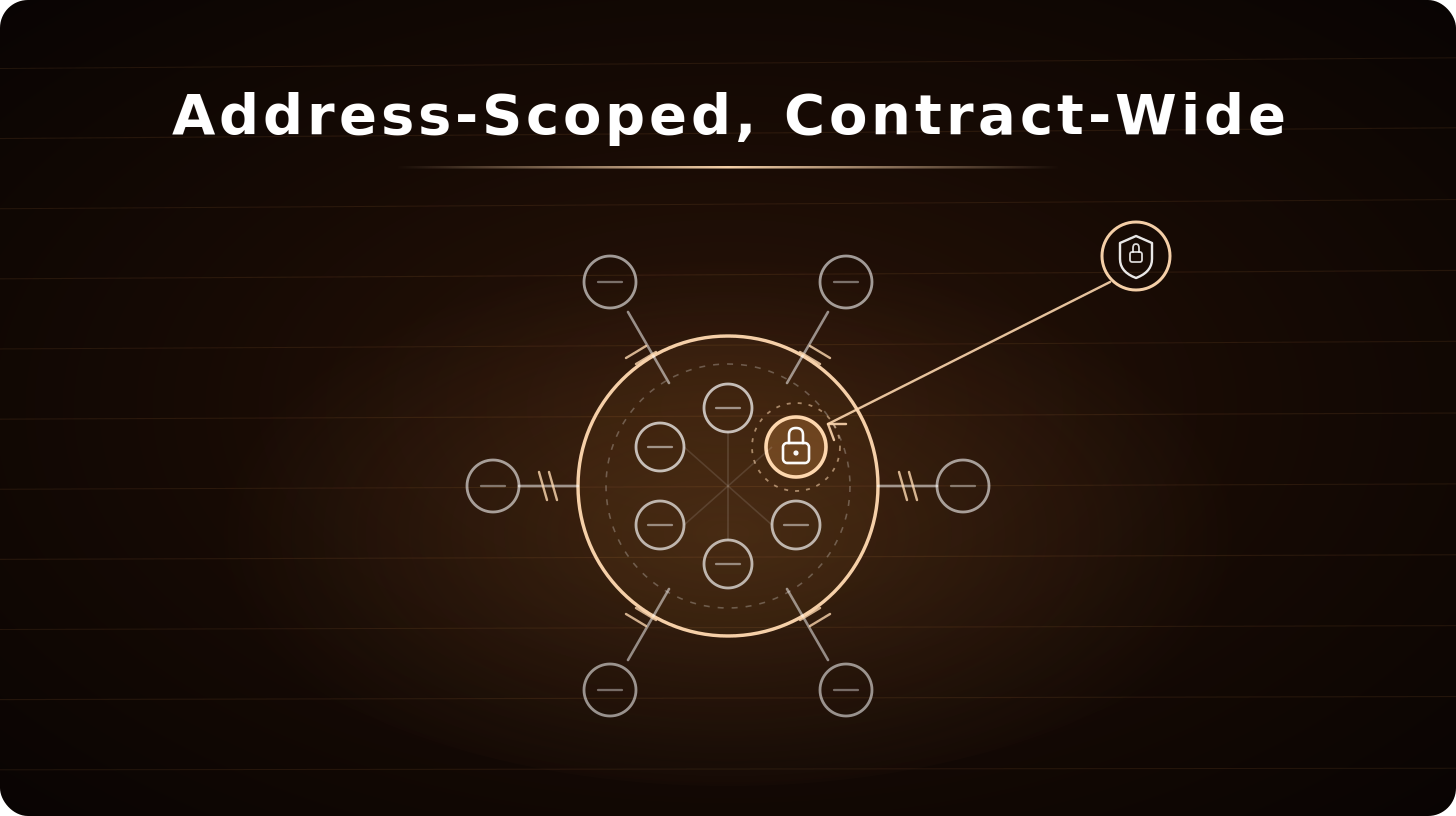
The tokenized share class replaces those mechanics step by step. Issuance: the REIT works with a platform to structure a security token under a chosen exemption, and the exemption is the load-bearing decision — Reg D 506(c) for accredited-only raises with general solicitation and no cap, Reg A+ for a public offering capped at 75 million dollars in a 12-month window, or Reg S for non-US investors, often paired with a US exemption for a cross-border raise. Onboarding: because there is no intermediary brokerage doing it by default, KYC and AML verification is built directly into the issuance and trading flow, and every wallet that can hold the token is whitelisted. Cap table: the platform maintains the register on-chain, so ownership is the token itself rather than a separate database entry. Distributions: dividends are automated to whitelisted holders on-chain rather than batch-run through the transfer agent. Secondary trading: the token moves peer-to-peer between whitelisted wallets or on a security-token ATS, with compliance enforced at the token level — the ERC-3643 standard embeds transfer rules into the token so it can only move to a verified, eligible holder, which is what makes 24/7 secondary transfer legal rather than merely possible.
Where the Plumbing Breaks
Three failure points define the workflow. First, the walled-garden liquidity problem, which is the honest state of the market: as of 2026 most tokens still trade primarily on the platform where they were issued, so a REIT that tokenizes for liquidity can discover its share class is confined to one venue's investor base, no deeper than the platform is wide. Second, the synthetic-versus-direct trap: minting a token that references the shares rather than legally representing direct ownership creates swap exposure under 2026 SEC guidance, turning a clean equity instrument into a derivative with different treatment — the token must legally be the share class, not a pointer to it. Third, the compliance-integration gap: KYC, the whitelist, distributions, and the transfer-agent function must reconcile to one another and to the sponsor's existing systems, and a break between the on-chain register and the fund administrator's books is an audit finding waiting to happen.
Costs, Timing, and the Audit Trail
Configured platforms compress the timeline — white-label issuance deploys in weeks rather than the 12-to-18-month custom cycle — with costs running from platform subscription or per-transaction fees on the configured path to 120,000-to-450,000-dollar budgets for a custom build. Against that sits the reason a CPA cares: the tokenized class produces a continuous, self-reconciling audit trail. The on-chain cap table is the shareholder register, timestamped and current rather than a periodic transfer-agent extract. Every distribution is an on-chain record tied to the holder wallet, so dividend completeness is verifiable directly rather than sampled. The whitelist is the KYC evidence, and every transfer carries proof that both parties were eligible at the moment it settled. The tax character still flows through REIT rules — the audit confirms the entity distributed the required share of taxable income — but the evidence that each holder received their correct distribution is now a query rather than a reconciliation. The constructive signal is that the regulatory picture firmed up through 2025-2026 even as 73 percent of private asset managers still cite unclear regulation as the top barrier: the exemptions are well-mapped, compliance-in-the-token is now standard infrastructure, and the remaining gap is secondary-market interoperability — which means the issuance and servicing half of this workflow is production-ready today, and the trading half is the part still being built.
For informational purposes only. Not an offer to buy or sell any security. Available only to accredited investors who meet regulatory requirements.