Stablecoin Salaries Become the Default for Global Remote Work



On May 20, 2026, Deel launched stablecoin salary payouts for full-time employees on Polygon, starting with eligible customers in the US and Eurozone — inside an HR platform with more than 40,000 customers, service across 150-plus countries, and over 20 billion dollars in annual payroll processed. Employees elect a stablecoin allocation from net salary after taxes and deductions; employers keep their existing payroll workflows, funding, and compliance processes. The capability builds on infrastructure shipped in January that let businesses fund payroll directly from a stablecoin treasury with no FX conversion. Rise puts global business adoption of stablecoin payroll at 25 percent in 2025, projected to 35-40 percent by end-2026, with USDC at 63 percent share and volatile assets — Solana 1.9 percent, Ethereum 1.3 — under 5 percent combined. The thesis is that stablecoins become the default rail for cross-border remote pay. The honest version is narrower than the headline, and the skeptic is the reason.
The Falsifiable Claim
By December 31, 2029, the majority of cross-border payroll value moving through the major global employment platforms settles over stablecoin rails on at least one leg — employer treasury funding, platform settlement, or worker payout — and a stablecoin payout election is a standard offering rather than a regional pilot. The claim is explicitly not that wages become denominated in stablecoins. Wage denomination stays fiat, because employment law requires it, and the version of this thesis that predicts otherwise is the version that dies. What becomes default is the plumbing beneath a fiat-denominated wage, not the unit of account on the employment contract.
What Must Be True and the Constraint Today
Three conditions must hold. First, the rail must beat incumbents on the two things workers and employers actually feel: settlement time and last-mile FX cost. The current pitch is minutes instead of days, with no conversion spread on the treasury leg. Second, coverage must generalize beyond pilots — today's rollouts are one region, often one stablecoin, expanding on a partner's roadmap rather than the platform's own engineering. Third, off-ramp quality must hold at scale, because for most workers the stablecoin is a transit medium, not a holding.
The constraint today is employment law, and it is load-bearing rather than incidental. Wages must generally be denominated in local currency, with tax withholding, social contributions, and minimum-wage tests all computed in fiat. That is why every credible product places the stablecoin election on net salary after deductions — the regulated calculation happens in fiat and the payout leg is elective. Any thesis requiring this to change is forecasting labor-code reform in dozens of jurisdictions, which is not a fintech adoption curve.
The Enabling Primitive and a Real Example
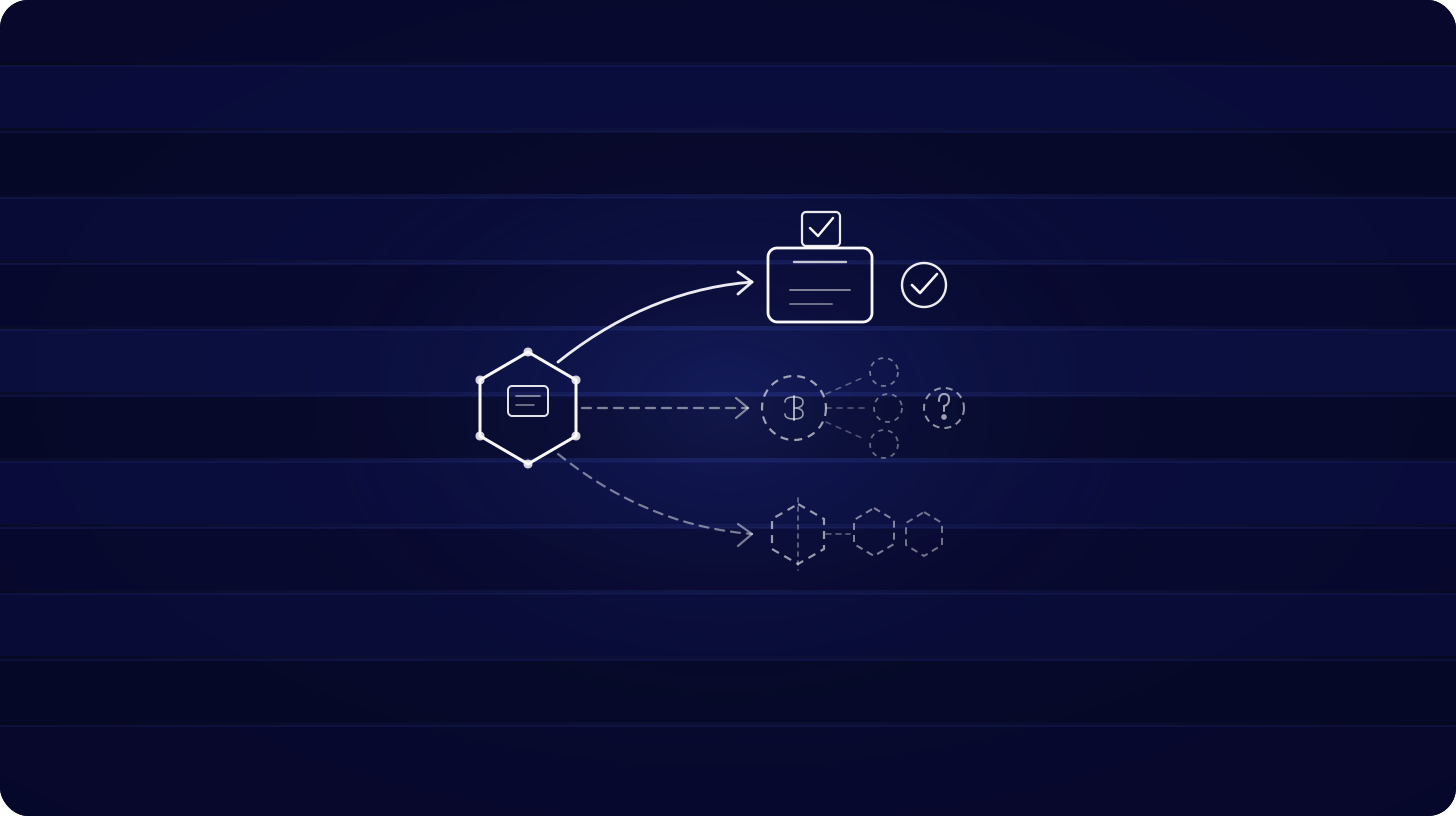
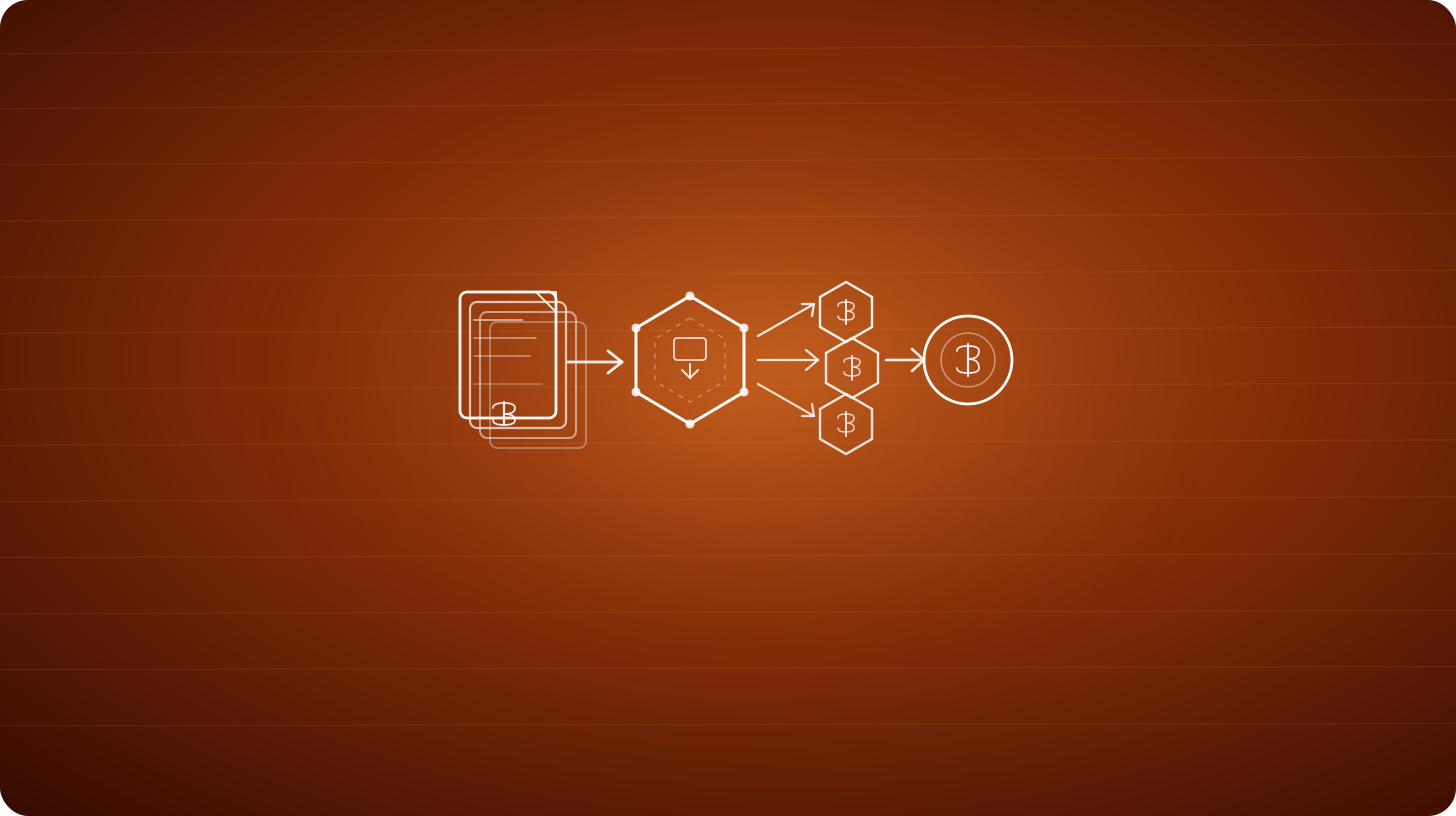
The enabling primitive is the two-sided elective rail: an employer funds payroll from a stablecoin treasury on one side, a worker elects stablecoin receipt of net pay on the other, and the fiat-denominated employment relationship sits untouched in between. Both legs are optional and independently adoptable, which is why it scales inside compliance rather than against it. The real example is Deel's May launch paired with the specialist data beneath it: Rise reports more than 1 billion dollars in processed payroll volume with stablecoins the majority of worker-side withdrawals, and Toku runs stablecoin payroll on the same chain Visa added to its settlement pilot in April alongside Arc, Base, Canton, and Tempo. Distribution arrived through mainstream HR software; the usage data came from the specialists who proved the workflow first.
What Would Falsify This and the Skeptic's Case
The skeptic's strongest argument is that the demand is for dollars, not for blockchains. Workers in currency-unstable markets want dollar-denominated income and reliable access — a functioning dollar bank account would satisfy that demand entirely, and where dollar banking works well the stablecoin pitch loses most of its force. On this reading, stablecoin payroll is a workaround for banking gaps that improves as banking improves, not a structural replacement. Second, the honest description of today's market is hybrid: payroll denominated in fiat for employment-law reasons and moved partly over crypto rails for speed, which makes "stablecoin salaries" a marketing frame over a payout-method change. Third, the architecture is retrofitted — major platforms route through infrastructure partners, so rollout pace tracks a vendor's roadmap rather than demand. Fourth, if the worker converts to local fiat within minutes, the holding period is a rounding error and the value proposition is FX and speed, both of which incumbent rails are actively closing.
Three developments would invalidate the thesis: platform election rates staying in the low single digits among eligible workers through 2028, indicating supply without demand; instant cross-border fiat rails closing the speed and cost gap enough to remove the rail's advantage; or a compliance event — a wage-payment enforcement action or a failed off-ramp at scale — pushing platforms back to fiat-only defaults. The monthly trackables separate plumbing from adoption: election rate among eligible workers where the option exists, share of platform payroll value touching stablecoin rails, country and stablecoin coverage per platform, and average worker holding period before conversion. The constructive signal is that this arrived through HR software rather than crypto products — when the compliance-heavy incumbent ships the rail as a feature, the adoption question stops being technical and becomes whether workers press the button.
For informational purposes only. Not an offer to buy or sell any security. Available only to accredited investors who meet regulatory requirements.