Corporate Actions on Tokenized Securities: Dividends, Splits, and Votes

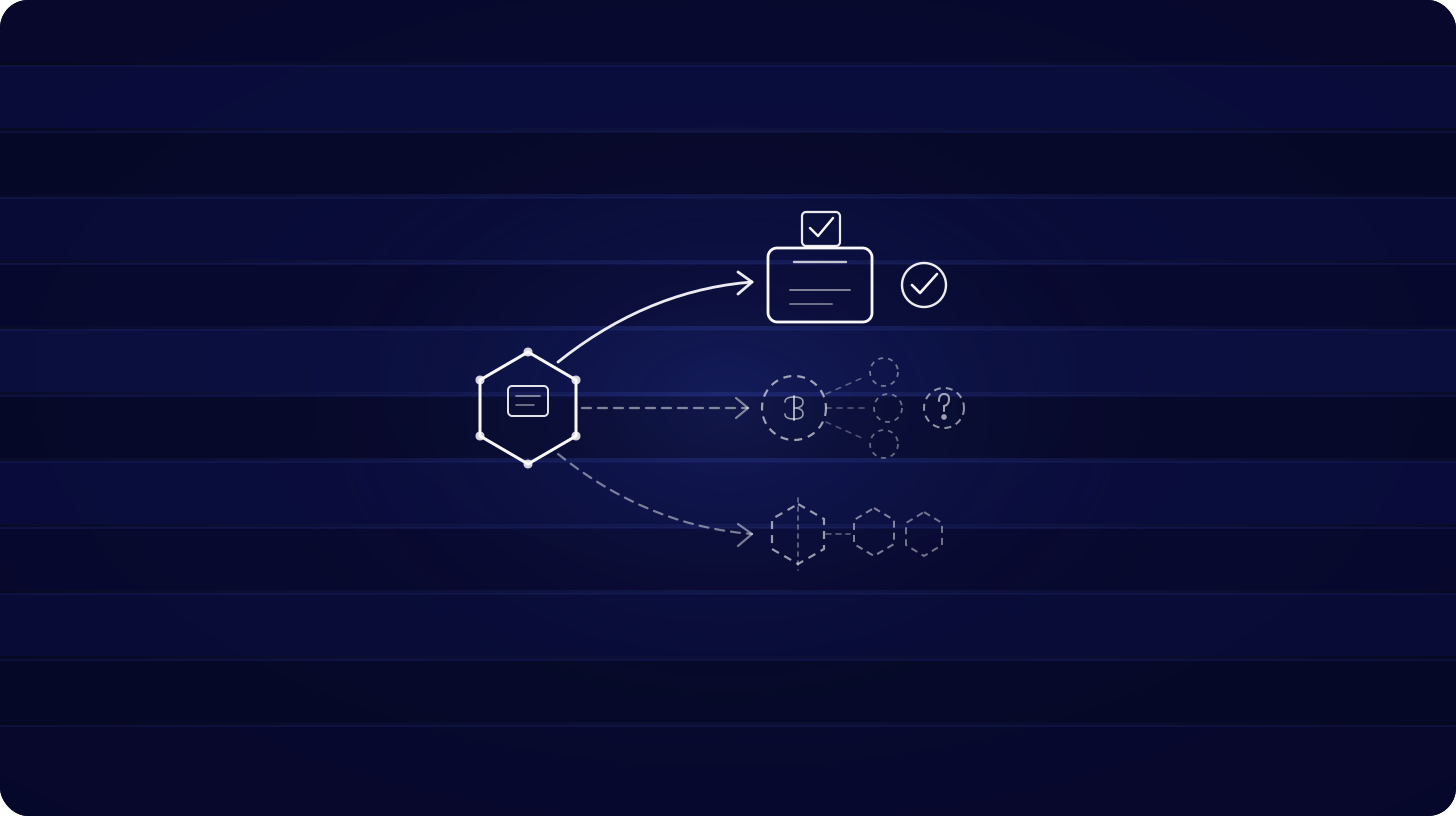

On April 6, 2026, Broadridge extended its governance platform to digital assets, and on May 28 Galaxy Digital became the first US public company to run a shareholder vote on native tokenized equity. Two days after the April announcement, Ondo added proxy voting and investor communications for holders of more than 250 tokenized stocks and ETFs — the first time on-chain equity holders could vote at all, having previously been able to trade and hold without formal shareholder rights. That gap mattered more than it sounds: tokenized shares without voting rights resemble synthetic derivatives more than equity, which is disqualifying for institutions bound by fiduciary duties. But the honest read on 2026 is that one corporate action went on-chain. Dividends and splits are described as likely to follow, and they are the ones that move money.
The Legacy Workflow
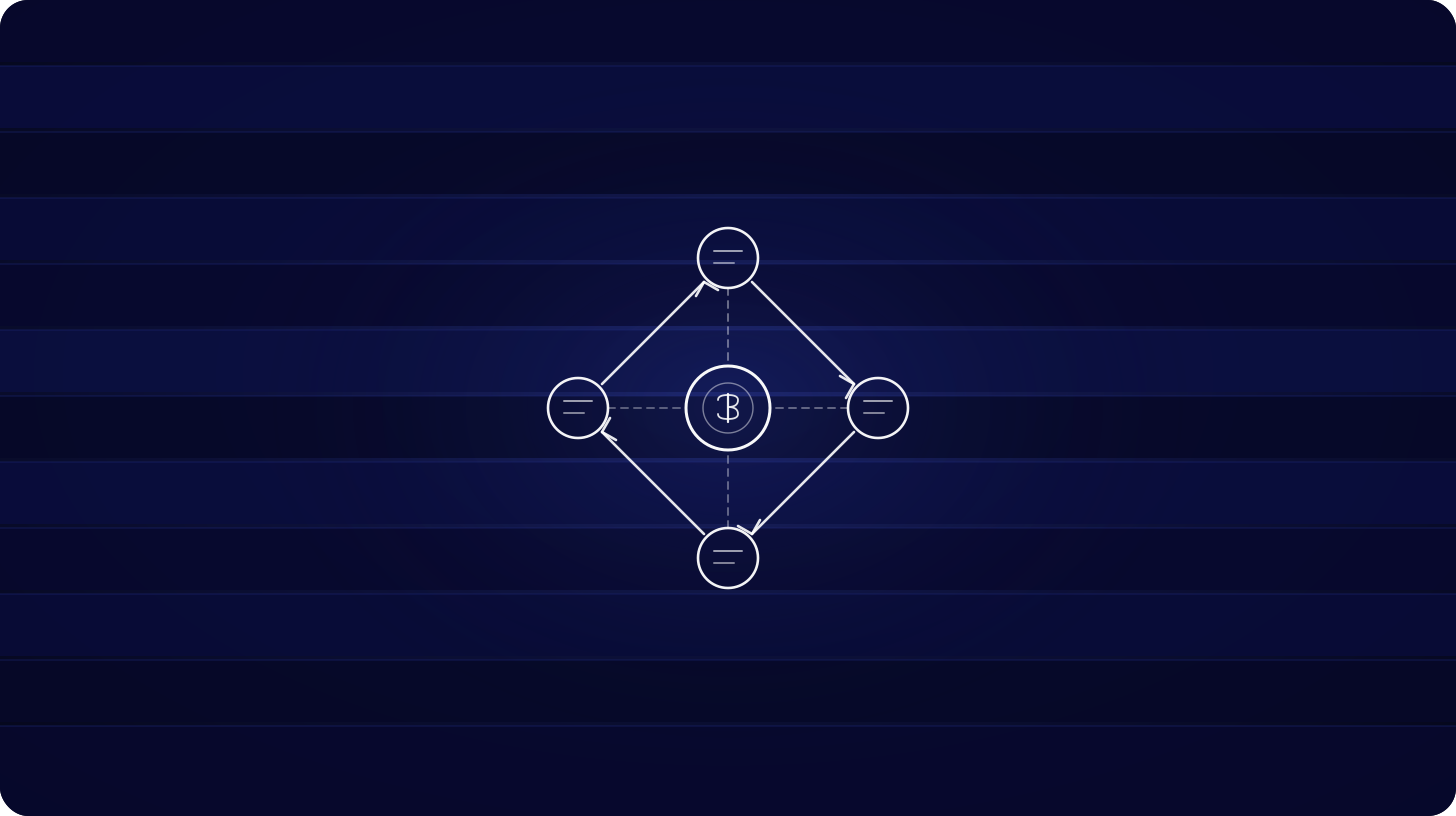
A corporate action today runs down a chain of intermediaries. The issuer declares; the transfer agent maintains the register; the overwhelming majority of public shares sit in street name, registered to Cede & Co. on behalf of DTC; participant broker-dealers and banks hold as nominees; and the beneficial owner sits at the end. Entitlement is fixed at a record date, with ex-date and payable date following. For votes, materials route down the same chain and ballots route back up it — a process where beneficial owners routinely discover their votes were never transmitted or arrived after the cutoff. For dividends, cash moves down the same layers, each reconciling positions against the one above.
The On-Chain Workflow
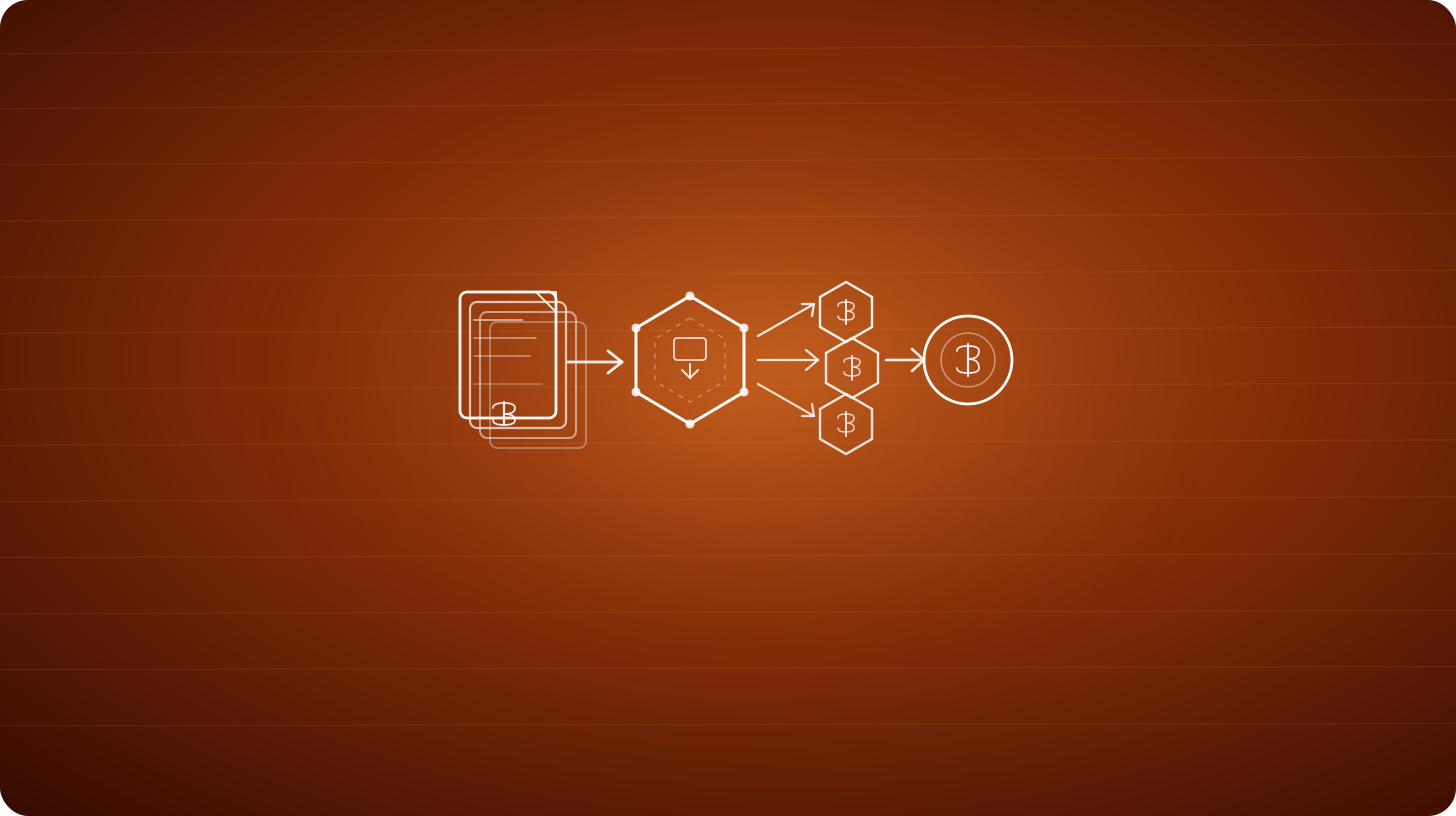
The tokenized version replaces the reconciliation rather than the structure. Entitlement determination: a record date becomes a block-height snapshot, and the holder set is deterministic and independently verifiable rather than assembled from nominee position reports. Materials distribution: prospectuses, filings, and governance documents go to wallets directly, removing several routing layers. Vote submission: the holder signs with the wallet, and the vote is recorded — in Broadridge's implementation, on a dedicated Avalanche-based Layer 1, then distributed across multiple chains for auditability. Consolidation: the issuer sees registered, beneficial, and tokenized holdings in a single view rather than three reconciliations. Dividends and splits, when they arrive, follow the same logic — a snapshot at a block height, then programmatic distribution or supply adjustment to the holder set.
Compliance sits on top. The tokenized share is a security, proxy solicitation rules apply unchanged, the transfer agent remains the record-keeper, and the architecture supports both issuer-sponsored and third-party-sponsored tokenization — which matters, because in the third-party model the holder's claim runs to the sponsor rather than the issuer, and whether governance rights pass through is a structuring question, not a technical one.
Where It Breaks
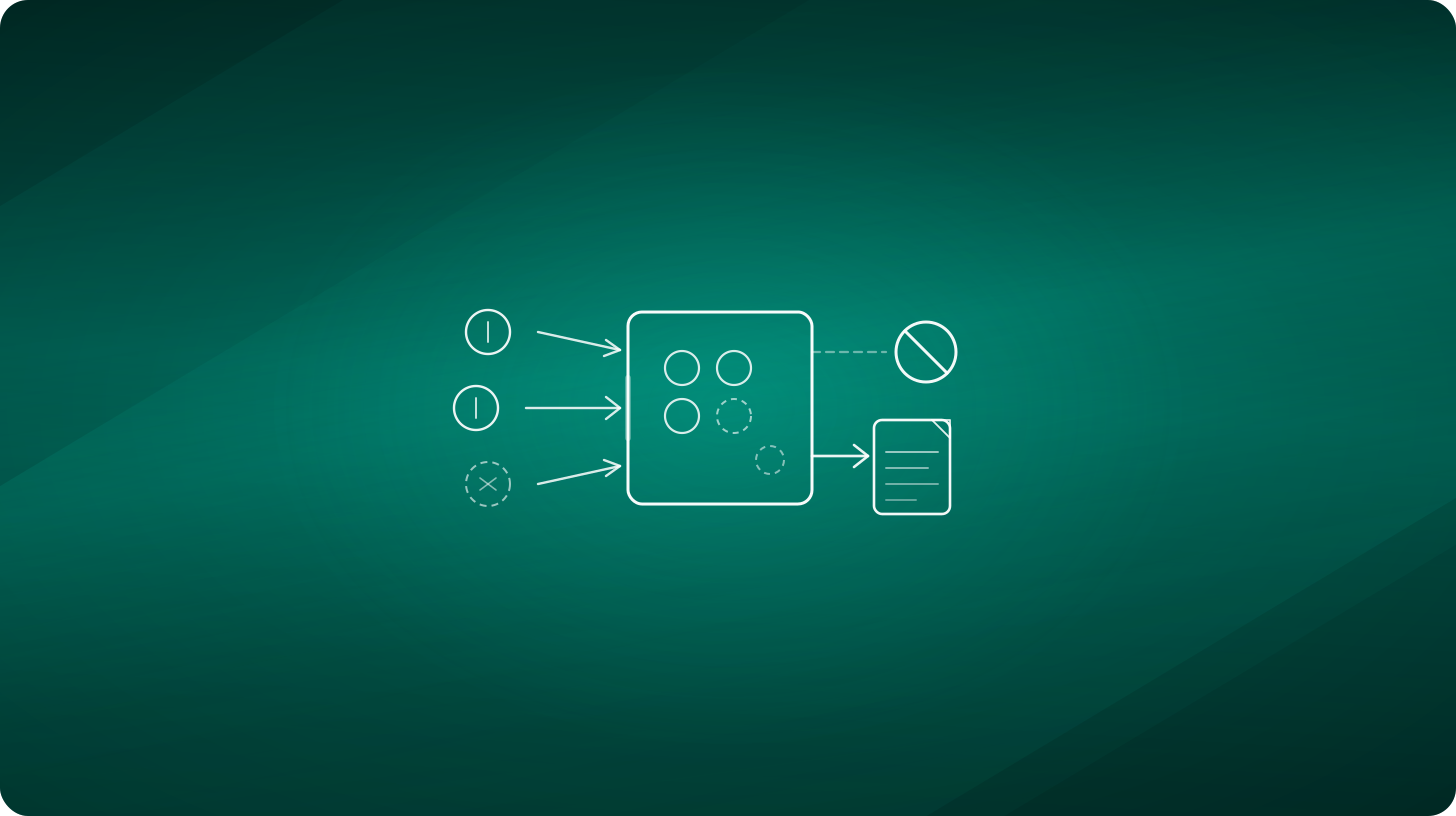
Three failure points define the workflow. First, the pooled-token problem, which is the hardest: at the snapshot, a token sitting in an AMM pool, a lending protocol, or a bridge contract is held by that contract, not by the economic owner. The address that appears in the record-date set is a smart contract with no ability to vote and no knowledge of who is behind it, so the entitlement either goes unexercised or requires the protocol to build pass-through logic nobody has standardized. This is a much larger issue for dividends than for votes, because an unclaimed vote is a lost right while an unclaimed dividend is trapped cash.
Second, wrapper fragmentation: the same underlying equity tokenized by competing issuers produces non-fungible versions, and a corporate action must reach every wrapper or treat holders unequally. Third, the calendar mismatch: tokens trade continuously while corporate actions are built on discrete record and ex-dates, so the ex-date price adjustment has to be handled on venues that never close and do not all share the same reference.
Costs, Timing, and the Skeptic's Case
The gain is real where it applies. A snapshot at a block height is faster and more auditable than reconciling nominee reports, wallet delivery removes routing layers that introduce both delay and failure, and vote records distributed across chains address the opacity that lets a ballot vanish between custodian layers. Broadridge's platform already processes $8 trillion in tokenized assets monthly, so the infrastructure is not speculative.
The skeptic's case is nonetheless strong. One of three corporate actions shipped, and it is the one that transfers no value — dividends and splits, where the reconciliation stakes are highest, remain future work. The single live public-company example is a digital asset firm voting on its own crypto-native equity, which is the most favorable possible first case rather than a representative one. The architecture routes through the same incumbent that runs traditional proxy, so what happened is that the existing proxy infrastructure grew a wallet interface — the intermediary chain was compressed, not removed, and the dependency did not change hands. And the deepest objection: tokenization did not fix the street-name problem, it added a fourth ownership category alongside registered, beneficial, and nominee holdings. The single-pane-of-glass consolidation exists precisely because fragmentation increased. The constructive read is narrower than the announcements but still real: the ownership-rights gap that made tokenized equity look synthetic has started closing, the party closing it is the one that already does this at scale, and the test of whether it is adoption rather than demonstration is whether a non-crypto issuer runs a dividend through the same rails.
For informational purposes only. Not an offer to buy or sell any security. Available only to accredited investors who meet regulatory requirements.