Using On-Chain Treasuries as Portfolio Collateral


On April 28, 2026, OKX announced BUIDL integration as yield-bearing collateral, safeguarded in Tier 1 off-exchange custody with Standard Chartered — what the parties described as a blueprint connecting the world's largest asset manager, a G-SIB custodian, and a major digital market infrastructure venue. The OKX integration follows the June 2025 Crypto.com and Deribit acceptance of BUIDL, Binance's USYC off-exchange collateral arrangement on BNB Chain that drove USYC ahead of BUIDL in January 2026, and the broader migration of tokenized Treasury assets toward the collateral layer. Tokenized US Treasuries crossed 10 billion dollars in AUM by January 2026, up roughly 400 percent year over year. The three-month T-bill benchmark sits at 3.69 percent in early 2026. For an allocator choosing between cash, stablecoins, or tokenized Treasuries as collateral against trading positions, derivatives margin, or repo, the on-chain Treasury option is now an operational choice with documented venue support.
The Legacy Collateral Workflow
A traditional allocator posts collateral against derivatives margin (futures, options, swaps), prime brokerage financing, and repo. Standard collateral types are cash (USD, EUR), US Treasuries (T-bills, T-notes), and high-grade MMF shares. Cash collateral pays nothing — or earns whatever the broker chooses to credit, typically sub-Fed funds. Treasury collateral earns the underlying yield but produces operational friction: physical securities require segregation, repo plumbing, and corporate action handling. MMF shares earn yield but typically settle T+1, limiting their use for intraday margin top-up.
For a crypto-native portfolio, the legacy choice has been worse. Posting USDC or USDT as derivatives margin earns no yield to the depositor (under GENIUS, payment stablecoins cannot pay yield). Posting BTC or ETH earns nothing while exposing the allocator to volatility of the underlying. A 100 million dollar collateral position earning zero on the cash leg while the broker captures the float is a meaningful drag at scale — at a 4 percent risk-free rate, the give-up is 4 million dollars annually.
The On-Chain Collateral Workflow
The tokenized Treasury workflow inverts the legacy give-up. The allocator posts BUIDL, USYC, USDY, BENJI, or comparable tokenized MMF shares as margin at a participating venue. The underlying Treasury portfolio continues earning the prevailing short-rate (3.45 to 3.55 percent in current conditions, JTRSY at 5.04 percent for longer-duration exposure). Custody varies by venue. Crypto.com and Deribit accepted BUIDL natively from June 2025. OKX's April 2026 model uses Standard Chartered as Tier 1 off-exchange custodian — BUIDL never leaves the bank's qualified custody while OKX handles real-time margining and liquidation. Dubai's collateral mirroring framework (BENJI 2025, expanded to BUIDL) provides a parallel regulated structure.
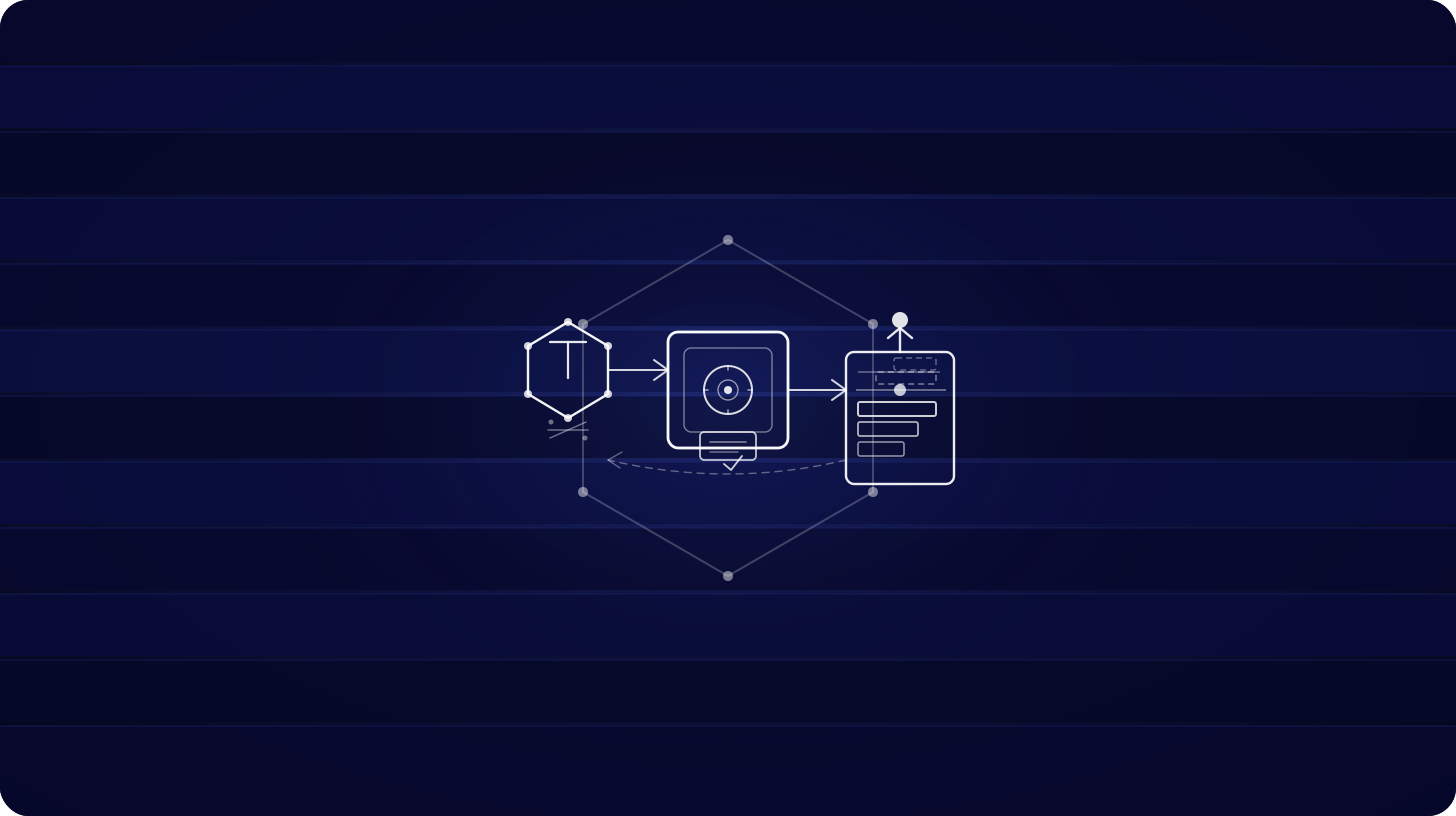
The mechanical workflow runs in four steps. First, the allocator subscribes to BUIDL (or comparable) through Securitize for BUIDL, Franklin Templeton for BENJI, Hashnote for USYC. Subscription requires qualified-purchaser status and minimum sizes ranging from 100,000 dollars (USYC, USDY) to 5 million dollars (BUIDL). Second, tokens transfer to the chosen custody arrangement — exchange wallet, qualified custodian, or smart contract collateral pool. Third, the venue accepts the position as collateral at a haircut (typically 5 to 10 percent for tokenized Treasuries versus 0 percent for cash). Fourth, the allocator trades against the collateral while the underlying portfolio continues earning yield. Distribution payments (for distributing products like BUIDL) accrue to the holder's address; accumulating products (USYC) compound in token balance.
Where the Plumbing Breaks
Three operational failure points define the workflow. First, eligible asset lists. Each venue maintains its own list of accepted tokenized Treasuries: BUIDL on OKX, Crypto.com, and Deribit, USYC on Binance, BENJI on the Dubai framework. An allocator wanting venue diversity must hold multiple tokenized Treasury positions, which fragments the cash sleeve and increases operational complexity. Second, oracle and pricing dependencies. The venue's margin engine prices the tokenized Treasury at NAV via an off-chain oracle update or a Chainlink Proof of Reserve attestation. A delayed or stale NAV update during a market stress event creates margining errors. Third, custody arrangement and bankruptcy-remoteness. Standard Chartered off-exchange custody for BUIDL on OKX is a strong arrangement; on-exchange custody at Crypto.com or Deribit means the tokens sit in the exchange's collateral wallet and inherit exchange counterparty risk. The collateral mirroring model under Dubai's framework is the institutional pattern that solves both segregation and venue acceptance.
Costs, Timing, and the Audit Trail
The yield gained ranges from approximately 3.45 to 5.04 percent annualized depending on the tokenized Treasury chosen, against zero for cash or USDC collateral and the historical 1 to 2 percent brokers credit to USD collateral balances. On 100 million dollars of margin, the captured yield is 3.4 to 4.5 million dollars annually. Setup timing for tokenized Treasury subscription is days to weeks (qualified-purchaser onboarding, custodian agreements). Once subscribed, transfer to a collateral position is on-chain instantaneous.
The audit trail is direct: subscription confirmation, custody transfer record, venue collateral acknowledgment, yield distribution events, margin call history. For a CPA evaluating the evidence, this is more granular than traditional MMF collateral — every transaction is timestamped on-chain or in the custodian's record, and yield accruals reconcile against the issuer's NAV publication. The constructive signal is direct: when the largest asset manager, a G-SIB custodian, and a major derivatives venue ship the same integration pattern in April 2026, tokenized Treasury collateral has cleared the operational threshold that institutional allocators require.
For informational purposes only. Not an offer to buy or sell any security. Available only to accredited investors who meet regulatory requirements.