M&A Closing Escrow via Smart Contract

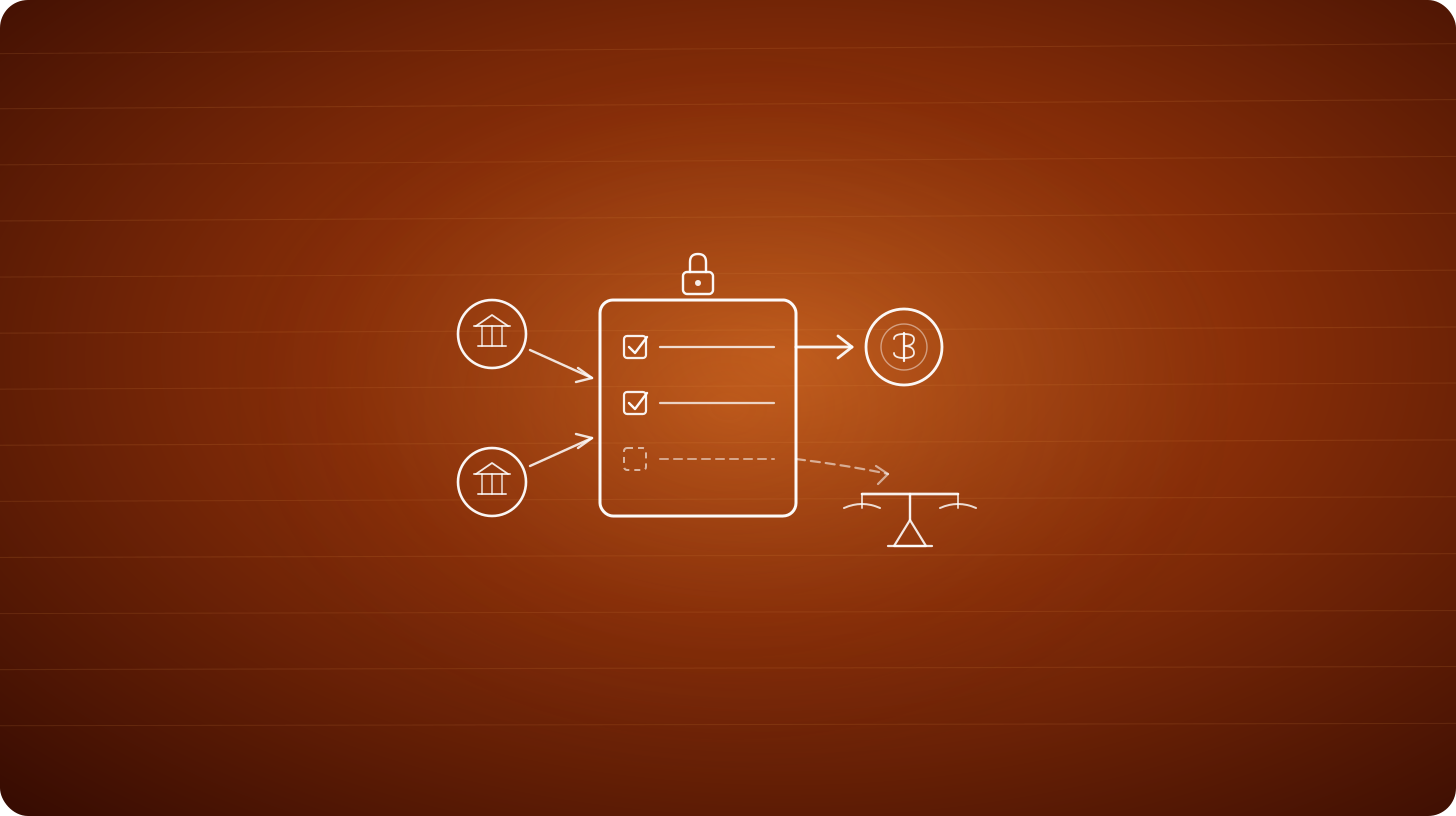

An M&A escrow agent has one defining characteristic: it does not adjudicate. It does not investigate claims, take sides, or decide whether a representation was breached. It holds the money, pays out per the schedule unless a claim notice arrives in time, and holds contested amounts until both parties sign a joint instruction or a final non-appealable award orders release. That is already a machine executing if-then logic on a three-party contract — which is why "replace the escrow agent with a smart contract" is a more complicated proposal than it sounds. The uncontested path is already mechanical, and the contested path requires exactly the judgment neither the agent nor the code can supply. The question is not whether it can be automated but which portion of the escrow actually benefits.
The Legacy Workflow
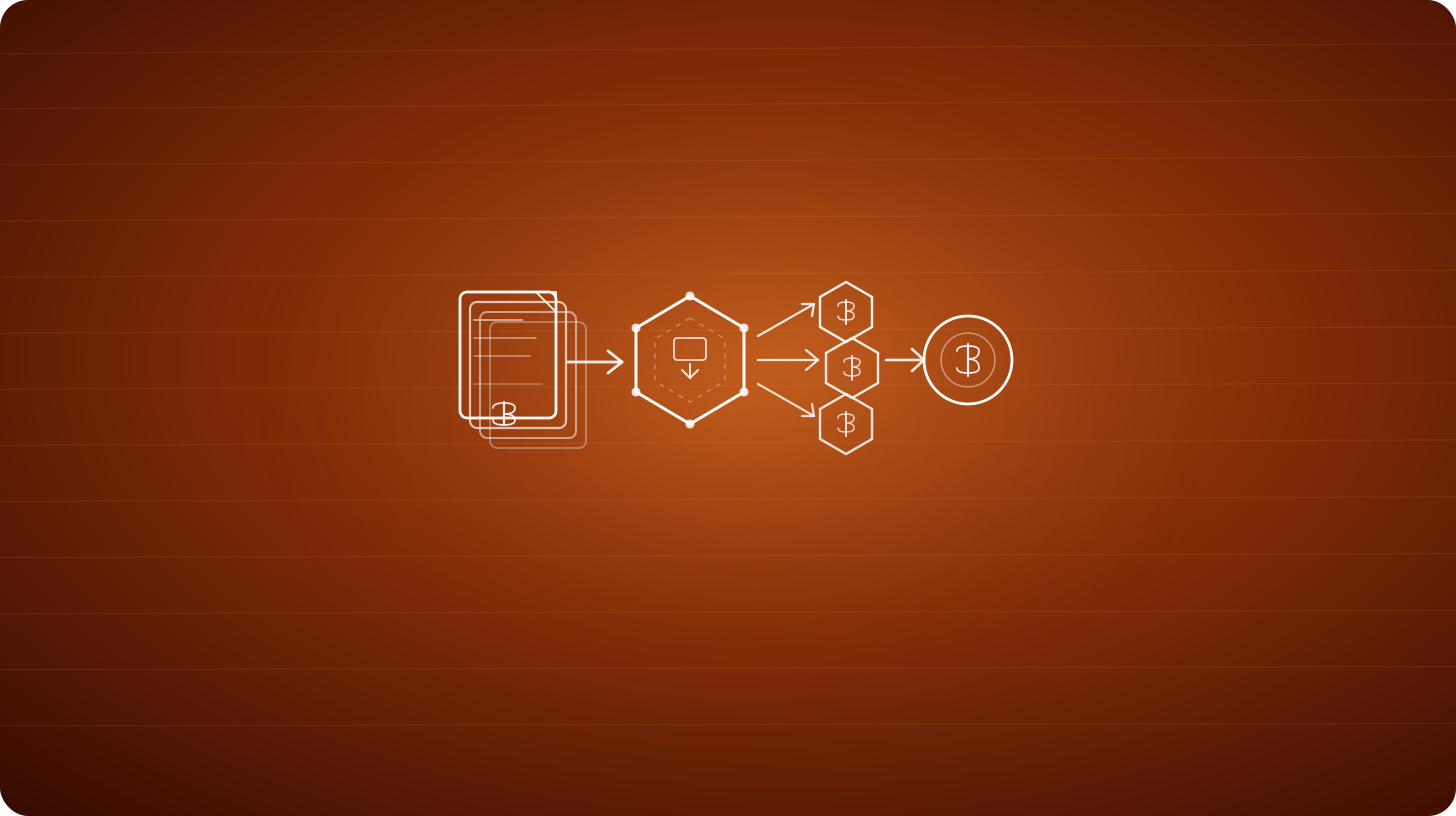
At closing, the buyer wires the full purchase price, with a defined portion going directly to the escrow agent under a tri-party agreement signed by buyer, seller, and agent. Sizing is conventional: a general indemnity escrow has historically run around 10 percent of deal value with 12-to-18-month terms, though the median has trended into mid-single digits as representations and warranties insurance absorbs the risk — with RWI in place, the escrow is often closer to half a percent. Working-capital escrows run near 1 percent until the true-up is final; tax escrows extend to the statute of limitations; earn-out escrows run one to three years. The agent — typically a bank escrow desk, trust company, or specialist like SRS Acquiom, which has processed over a trillion dollars in deals — invests the funds conservatively, charges a fee, and follows the payout rules mechanically. Under ASC 805 the escrow funded at closing is generally part of the consideration transferred: the seller's money set aside, not a performance contingency.
The On-Chain Workflow
The programmable version keeps the structure and automates the ministerial parts. Terms are codified: release dates, tranche percentages, and objectively-measurable conditions become if-then logic. Funds are locked as tokenized cash in the contract rather than wired to a segregated bank account. Release executes when a condition is verified — by elapsed time for a scheduled tranche, by a signed transaction from an authorized party, or by an oracle feed for a measurable milestone. Every action writes to a permanent record visible to permissioned parties, replacing the verification exchange that currently accompanies each release. The realistic deployment pattern is hybrid and explicitly recommended as such: traditional escrow for the bulk indemnity pool, programmable escrow for the contingent portions — a single earn-out tranche or milestone payment in a smaller deal — with ERP integration supplying the data feed and a permissioned network preserving deal confidentiality.
Compliance sits on top unchanged: the escrow agreement remains the governing instrument, sanctions and KYC screening apply to both parties and every receiving wallet, and the accounting treatment does not move because the custody mechanism changed.
Where It Breaks
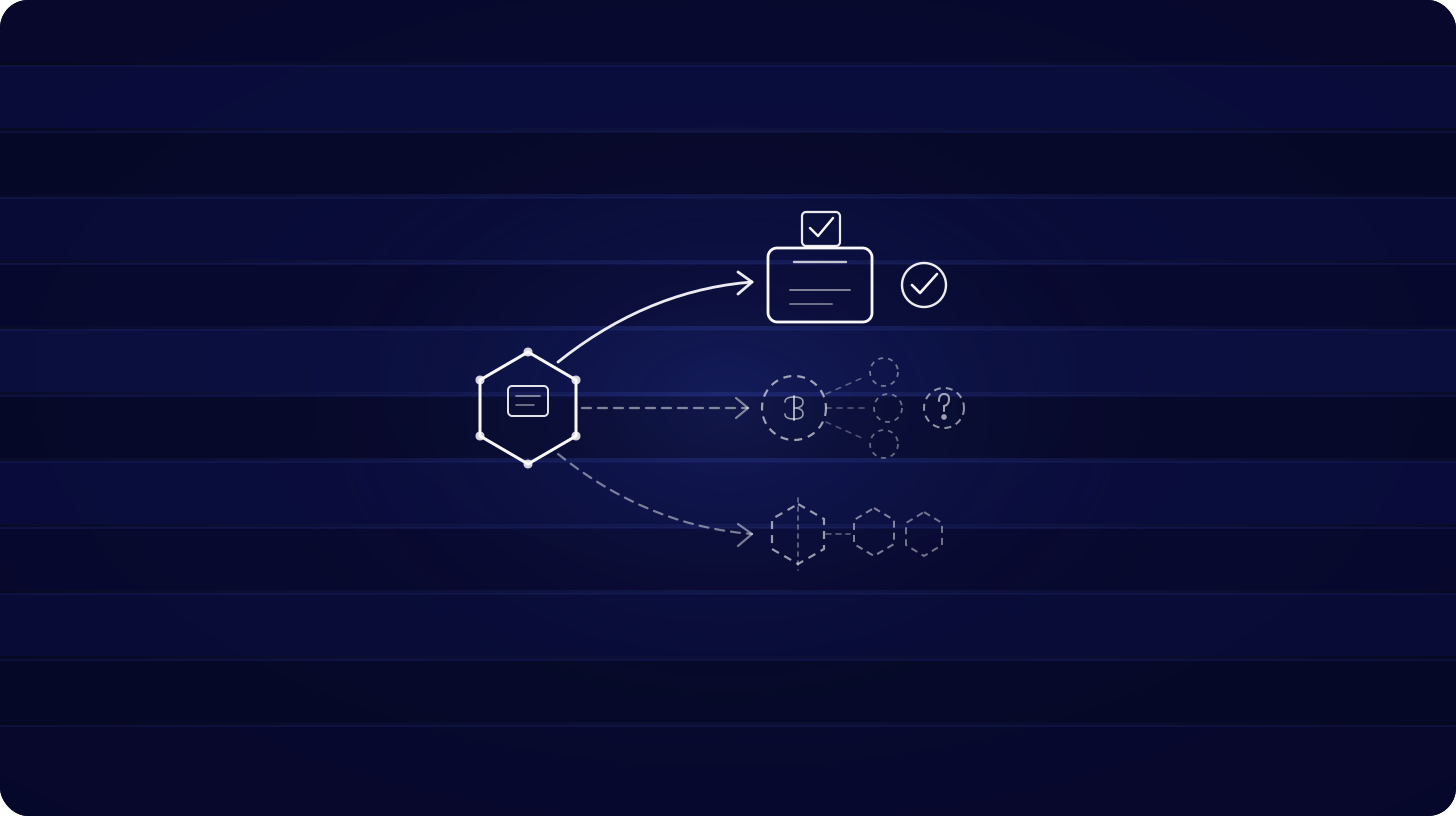
Three failure points define the workflow. First, the contested path, which is the whole point of an escrow: a claim notice is prose asserting that a representation was breached, and no oracle resolves it. The contract can freeze a contested amount, but freezing is the easy part — the release requires a joint instruction or an arbitral award, which means a human key-holder either way. Automating the uncontested release automates the part that was never the problem.
Second, the oracle problem is worse than it looks for earn-outs. EBITDA is not a data feed; it is an accounting output subject to policy choices, accruals, and audit. Earn-out disputes are overwhelmingly about how the number was calculated, not what a system reported — so encoding "release on EBITDA above X" relocates the dispute into the definition rather than eliminating it.
Third, the code-versus-contract question has to be answered before funding. If the agreement controls and the code diverges, someone must reconcile them under time pressure. If the code controls, the parties lose the ability to amend by mutual agreement — and M&A parties amend escrow arrangements routinely, for extensions, partial releases, and negotiated settlements. Neither answer is free.
Costs, Timing, and the Examiner's Questions
The savings are real but narrow: a scheduled tranche release that currently takes a multi-step verification exchange becomes automatic, and multi-tranche earn-outs benefit most because the administrative cost is per-event. Against agent fees measured in basis points on deal value, that is an efficiency gain rather than a transformation.
A banking examiner would ask a consistent set. Who is the legal escrow agent when code holds the funds, and in what capacity does that party hold them? Are escrowed balances segregated and bankruptcy-remote from whoever operates the contract? If the agreement and the code diverge, which controls, and who decided? How are contested amounts held, and who holds the keys that release them? What is the remediation path if a defect is found after funding, and does anyone have unilateral power to move the money? The answers are all documentable, and none of them are technical.
The constructive read is that the honest use case has been identified rather than oversold: start with a single non-critical holdback or a small earn-out tranche, keep the indemnity pool with a conventional agent, and treat the smart contract as the payment mechanism rather than the adjudicator. The escrow agent was never the bottleneck — the dispute was. Automating the part that already worked mechanically is a modest, real improvement, and that framing is what gets it through a compliance committee.
For informational purposes only. Not an offer to buy or sell any security. Available only to accredited investors who meet regulatory requirements.