
Cross-Chain Stablecoin Transfer Without Bridges Slug

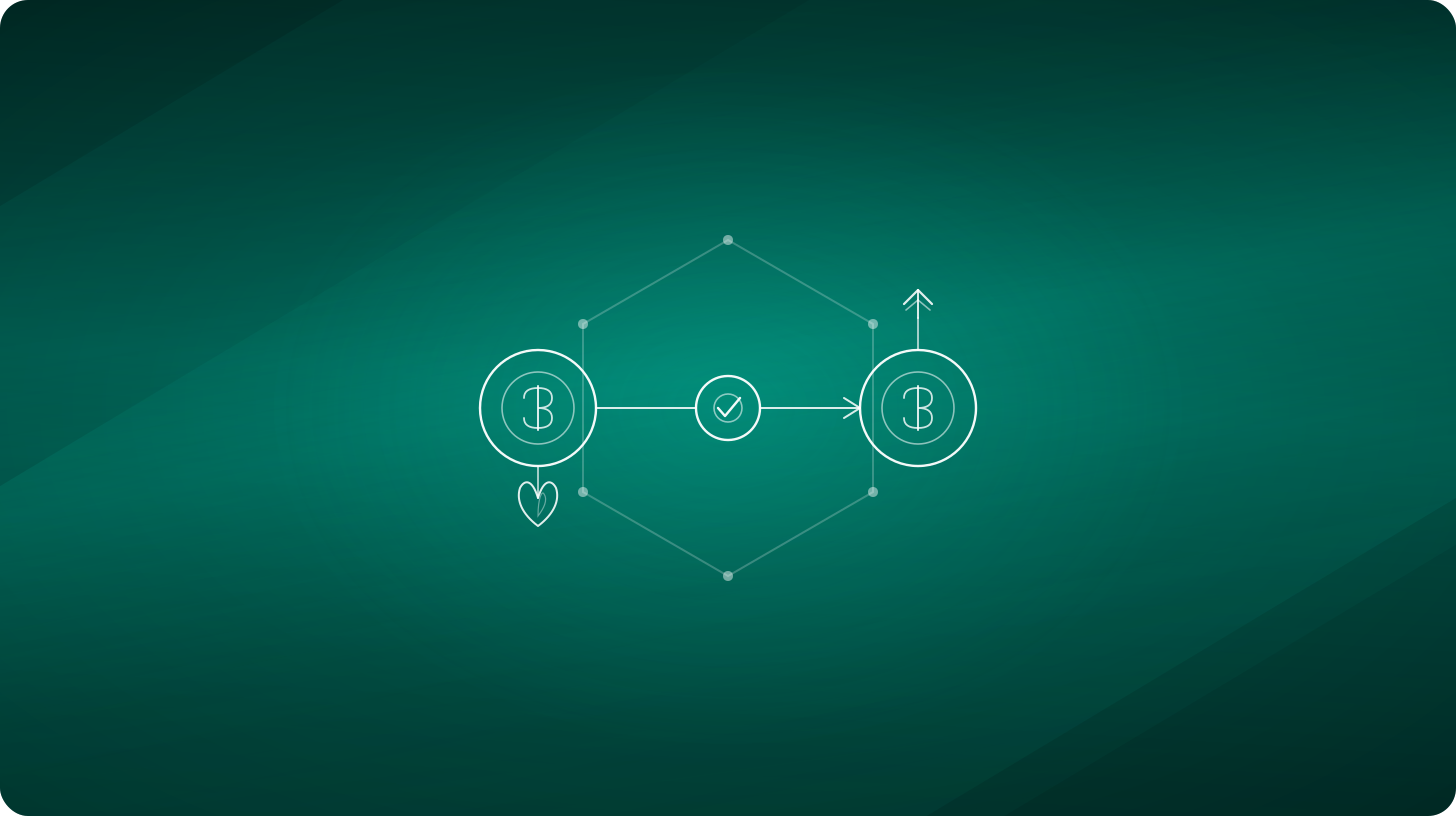

On March 29, Pharos Network announced that USDC and Circle's Cross-Chain Transfer Protocol will deploy on its mainnet, establishing native cross-chain connectivity with over 20 supported blockchains and enabling more than 400 secure transaction routes. Pharos, built by engineers from Ant Group, is positioning CCTP as core settlement infrastructure for tokenized real-world assets, lending, and payment flows. For a compliance officer evaluating cross-chain stablecoin movement, this deployment illustrates how CCTP is becoming the default plumbing for institutional-grade USDC settlement across chains, replacing the bridge model that has historically concentrated risk in lock-and-mint contracts.
How CCTP Works
CCTP is a permissionless protocol that moves USDC between blockchains through native burning and minting rather than locking and wrapping. When a user initiates a transfer, the protocol burns USDC on the source chain. Circle attests to the burn event. The attestation mints an equivalent amount of native USDC on the destination chain. No wrapped or bridged token ever exists. The destination USDC is the same native, fully-reserved asset issued by Circle.
This eliminates the central risk of traditional bridges. In a lock-and-mint model, the bridge contract holds locked tokens as collateral. If the bridge is compromised, every wrapped token becomes worthless. CCTP removes this custodial dependency: the source USDC is destroyed, not held.
Since launching in April 2023, CCTP has processed over 2 million transfers totaling more than 37 billion dollars in transaction volume. CCTP V2, launched in early 2025, introduced two features that matter for institutional use. Fast Transfer enables settlement in seconds regardless of source chain finality time, compared to 13 to 19 minutes on Ethereum and its L2s under V1. Hooks allow developers to program automatic post-transfer actions on the destination chain, such as depositing into a lending protocol, executing a swap, or triggering treasury management logic.
Who the Actors Are
Three parties participate. The user or application initiates the transfer. Circle's attestation service validates each burn event and authorizes the corresponding mint. No third-party relayer, liquidity provider, or validator committee is involved. The trust assumption is singular: the counterparty is Circle, the same entity that issues and redeems USDC.
For a CFO, this simplifies counterparty risk assessment compared to bridges where trust includes the operator's smart contracts, the signer committee's operational security, and the liquidity pool's solvency. With CCTP, the question reduces to whether you trust Circle to attest honestly to burn events — a question any institution holding USDC has already answered.
Where Value Flows
Standard Transfer carries no on-chain fee. Fast Transfer charges a per-transaction fee for faster-than-finality settlement. Integration partners including LI.FI, Wormhole, Socket, and Mayan embed CCTP into their routing, potentially adding service fees. Circle captures value through USDC's reserve management, not through transfer fees.
The economics favor adoption. Unlike liquidity pool bridges requiring deep pools on both sides of every route, CCTP's burn-and-mint model requires no pre-positioned liquidity. New chain integrations do not require bootstrapping pools, historically the most expensive and fragile part of bridge deployment.
What Can Fail
Three failure modes warrant attention. First, Circle attestation service downtime. If Circle's infrastructure cannot observe or attest to burn events, transfers halt. There is no decentralized fallback. The protocol's liveness depends on a single entity's operational reliability. This is the direct tradeoff for eliminating the multi-party trust assumptions of traditional bridges.
Second, regulatory action against Circle. If a jurisdiction orders Circle to freeze USDC minting or burning on specific chains, CCTP transfers to those chains stop. USDC already has blacklist functionality that allows Circle to freeze specific addresses. CCTP extends this dependency to the cross-chain layer.
Third, CCTP V1 deprecation risk. Circle announced that CCTP V1 phase-out commences July 31, 2026, with full contract pause at the end of the deprecation period. Applications still on V1 across its 11 supported chains must migrate to V2 or lose cross-chain USDC transfer capability.
What Is Improving
The adoption trajectory is the clearest positive signal. CCTP has expanded from 3 chains at V2 launch to over 20 supported blockchains, with new deployments accelerating in 2026 including EDGE Chain on March 9 and Pharos Network announced March 29. Chainlink CCIP now integrates CCTP for native USDC transfers, embedding it within the most widely adopted cross-chain messaging standard. The V2 Hooks feature enables composable post-transfer automation, making CCTP not just a transfer protocol but a programmable settlement layer.
For a CFO evaluating cross-chain treasury operations, CCTP changes the reconciliation model. Every transfer is a burn on one chain and a mint on another, both verifiable on-chain with Circle's attestation as the linking proof. The audit trail is cleaner than any bridge-based flow because there is no intermediate wrapped asset whose backing must be independently verified. The residual risk is concentration: CCTP works because Circle is a single, trusted issuer. If that trust assumption fails, the entire cross-chain USDC infrastructure fails with it.
For informational purposes only. Not an offer to buy or sell any security. Available only to accredited investors who meet regulatory requirements.