Supply Chain Provenance: What Walmart's Blockchain Pilot Verified and What It Did Not


On March 3, Ajinomoto Foods North America expanded a recall to approximately 33.6 million pounds of fried rice, ramen, and dumpling products sold under the Kroger, Ling Ling, Tai Pei, and Trader Joe's brands due to possible glass contamination. Products spanned 16 months of production across multiple distribution channels. For a CFO evaluating supply chain technology investments, the question this raises is not whether blockchain could have prevented the contamination, but whether it could have narrowed the blast radius faster. Walmart's food safety blockchain pilot, the most cited enterprise deployment in the industry, offers a concrete answer and a set of honest limits.
The Legacy Workflow
Before blockchain, tracing a food product back to its source farm was a sequential, manual process. A retailer identified a problem, contacted its distributor, who contacted the processor, who contacted the grower. Each handoff relied on phone calls, emails, and paper records. When Walmart's VP of Food Safety asked his team in 2016 to trace a package of sliced mangoes to its origin farm, it took 6 days, 18 hours, and 26 minutes. During the 2018 romaine E. coli outbreak, it took the FDA over two months to identify the contamination source. The result was a blanket advisory telling all Americans to stop eating any romaine, destroying demand across the entire category regardless of which farms were affected.
What the Blockchain Changed
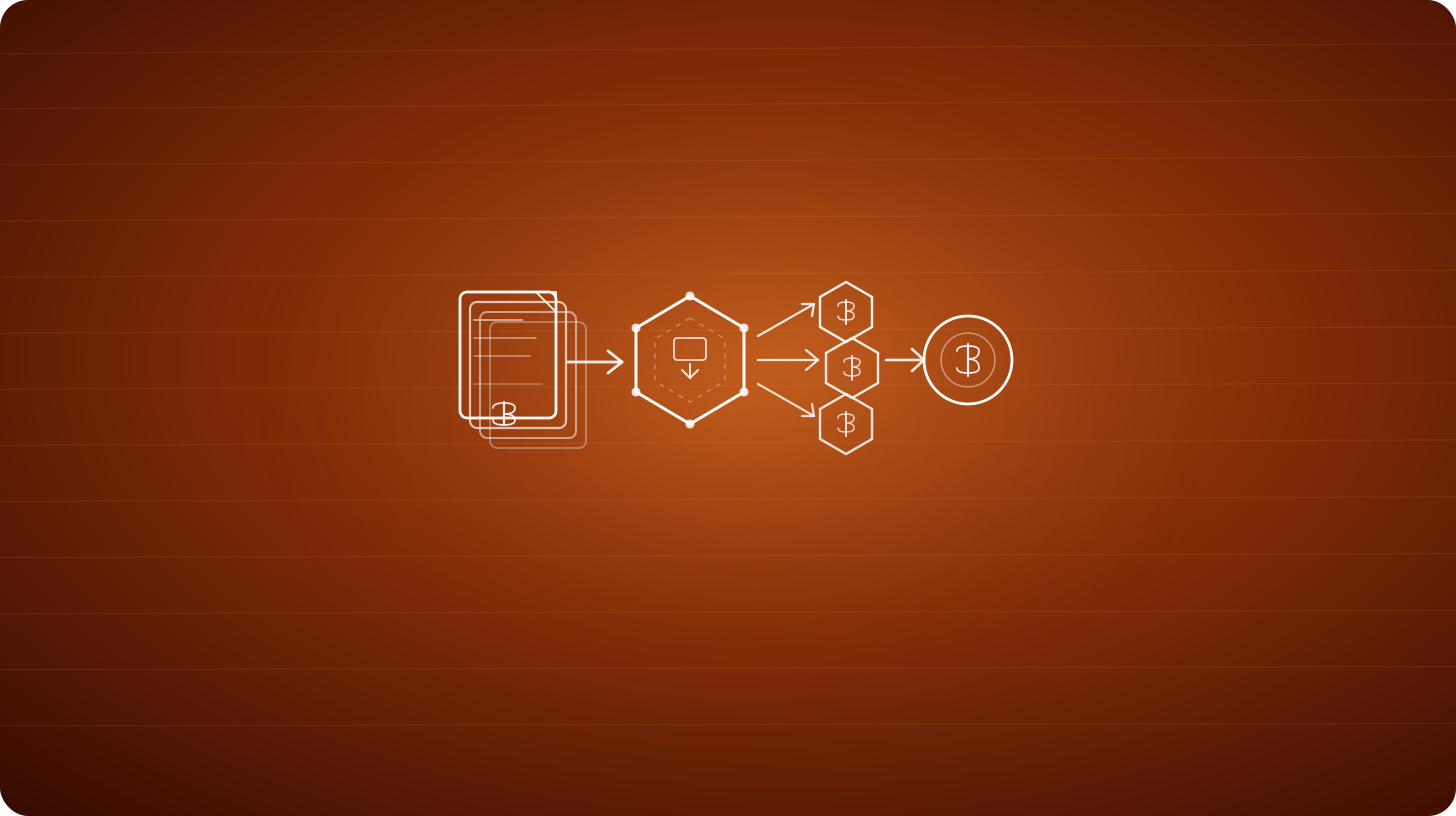
Walmart partnered with IBM to build a traceability system on Hyperledger Fabric, a permissioned blockchain where each participant, including farms, processors, distributors, and stores, records data at every handoff. The system captures product IDs using GS1 standards, lot and batch codes, purchase orders, and timestamps for harvesting, processing, shipping, and receiving. After deployment, the same mango traceback that took nearly seven days dropped to 2.2 seconds. By 2020, Walmart mandated that all leafy greens suppliers upload traceability data to the IBM Food Trust platform. Over 200 suppliers joined. The system expanded to cover more than 25 product categories including meat, poultry, dairy, packaged salads, and baby food.
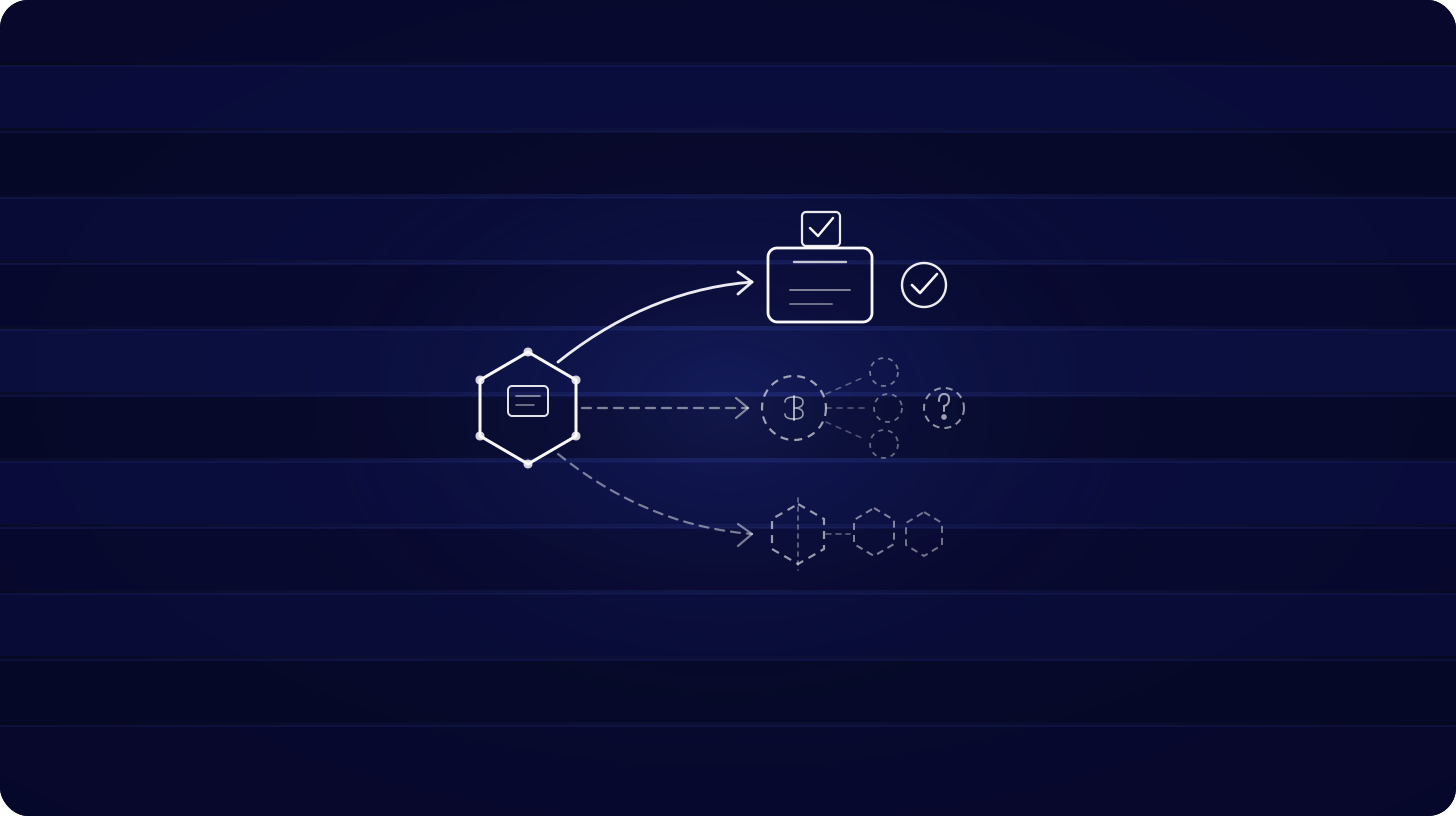
What blockchain verified in this workflow is the chain of custody: which entity handled the product, when, and what they recorded about it. Every entry is timestamped and immutable. If a contamination event occurs, the system can instantly identify which farms, batches, and distribution paths are implicated, allowing targeted recalls instead of category-wide shutdowns.
Where It Breaks
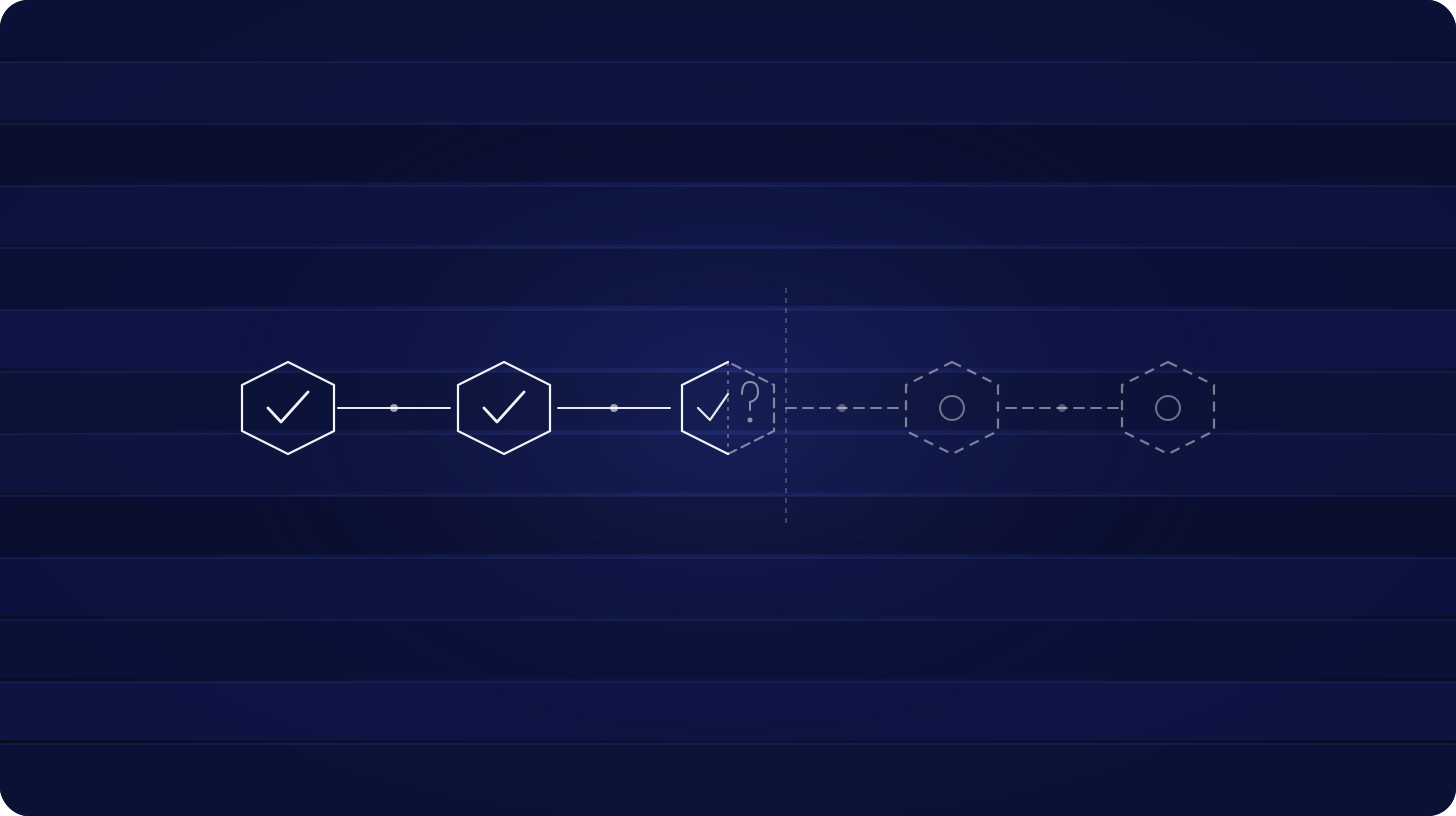
The critical limitation is what blockchain does not verify: the accuracy of the data at the point of entry. Blockchain makes records immutable, but it does not make them true. If a supplier enters an incorrect lot code, records the wrong harvest date, or fails to log a temperature excursion during transit, the blockchain faithfully preserves that bad data. The technology solves the trust problem between known participants sharing a ledger. It does not solve the data quality problem at the edges of the supply chain.
This is not theoretical. When Walmart required suppliers to upload data to the blockchain platform, many small and medium-sized suppliers, particularly farmers unfamiliar with digital systems, struggled with onboarding. The Wall Street Journal reported that supplier adoption was a persistent friction point. The FDA encountered the same reality when it tried to enforce the FSMA Rule 204 food traceability mandate by January 2026. The compliance deadline was extended 30 months to July 2028 because, as the FDA acknowledged, even well-resourced entities could not meet the requirements partly because they depend on receiving accurate data from supply chain partners who were not ready.
What a CFO Should Watch
Three indicators separate a supply chain traceability investment that delivers operational value from one that generates compliance theater. First, the percentage of suppliers actively uploading structured data versus the percentage technically onboarded. A system with 200 registered suppliers but only 60 percent submitting complete records on time is not delivering the traceback speed it promises. Second, the average time from contamination detection to completed root-cause identification. Walmart's 2.2-second benchmark applies to the blockchain query itself, not to the upstream process of detecting that something is wrong. The total incident response time, from first consumer illness report to confirmed source, remains the binding metric. Third, the integration of IoT sensor data with the blockchain record. Temperature, humidity, and handling data from connected devices close the gap between what a supplier says happened and what actually happened during transit and storage.
The blockchain supply chain market is projected to grow from 1.77 billion dollars in 2026 to 12.41 billion dollars by 2031. The growth reflects real demand. But the Walmart case study teaches a specific lesson: blockchain is an audit infrastructure, not a quality assurance system. It makes the evidence trail faster to query and harder to tamper with. It does not generate the evidence itself.
For informational purposes only. Not an offer to buy or sell any security. Available only to accredited investors who meet regulatory requirements.