Tokenized Treasuries as Collateral: TradFi Liquidity Meets DeFi



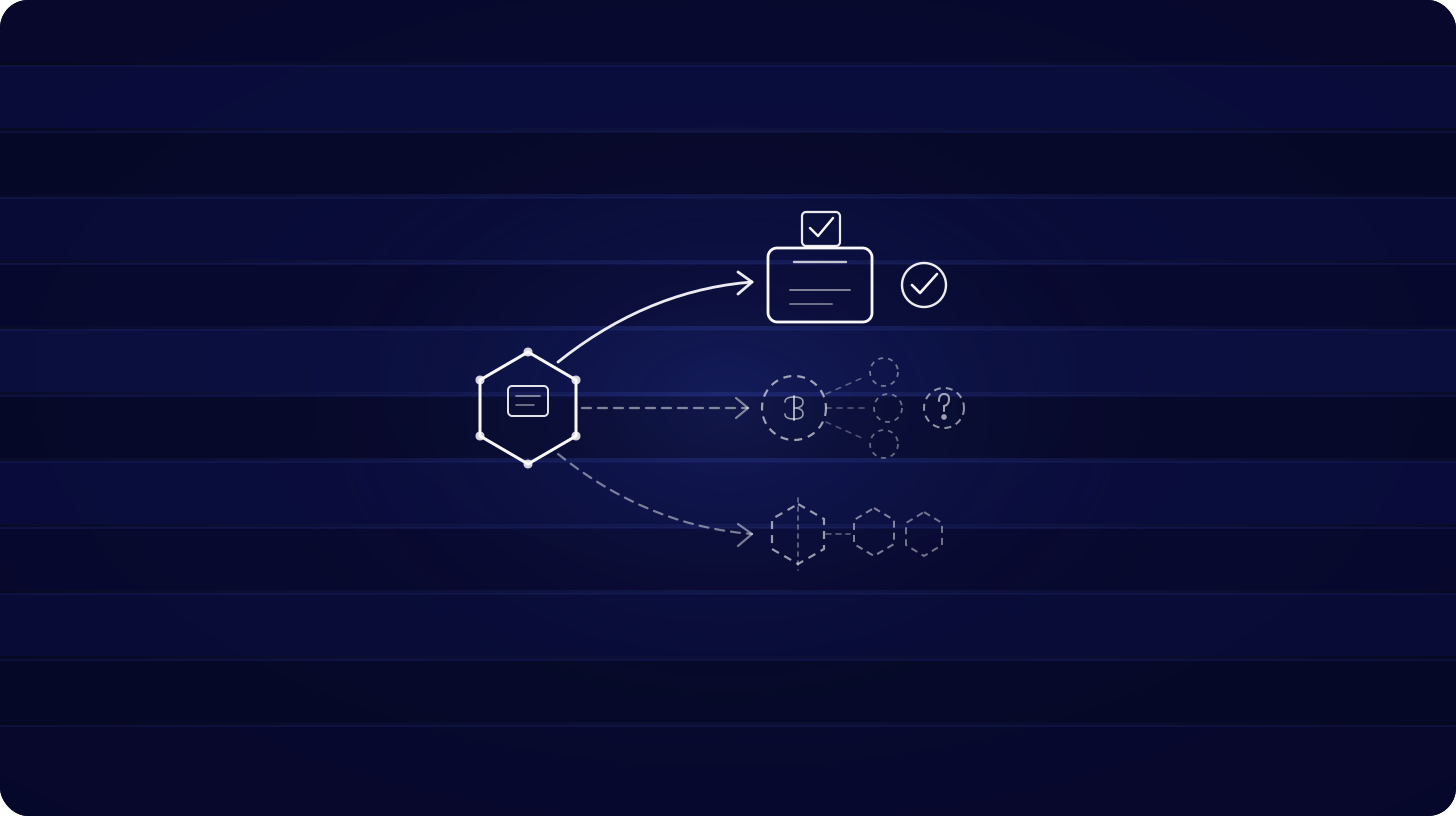
On March 10, DIA launched an oracle product specifically designed to price illiquid on-chain assets like tokenized Treasuries, yield-bearing stablecoins, and liquid staking tokens, targeting what it estimates is over 100 billion dollars in on-chain capital that conventional price feeds cannot reliably serve. Protocols including Euler, Morpho, and Silo are already using it. The launch addresses a problem that sits at the center of the tokenized Treasury thesis: these instruments cannot function as DeFi collateral unless lending protocols can price them accurately and continuously.
What Must Be True
The thesis that AI agents and autonomous financial systems will operate on-chain requires high-quality, yield-bearing collateral that both on-chain and off-chain systems recognize as safe. In traditional finance, U.S. Treasury securities serve this function: the base collateral for repo markets, margin accounts, and central clearing, with roughly 26 trillion dollars outstanding.
For on-chain systems to reach institutional scale, they need an equivalent: an asset that earns risk-free yield, maintains stable value, and can be posted as collateral in lending protocols and automated treasury management. Tokenized Treasuries are the candidate. If they work, they bridge institutional capital into on-chain yield without crypto-native risk. If not, DeFi remains dependent on volatile crypto collateral.
The Constraint Today
Tokenized U.S. Treasuries grew from 3.9 billion dollars to approximately 9.2 billion dollars in 2025, making them the largest category of tokenized real-world assets. BlackRock's BUIDL fund has emerged as the reserve asset underpinning a new class of on-chain cash products, with Ethena's USDtb and Ondo's OUSG both building directly on BUIDL as a core reserve component. MakerDAO held approximately 900 million dollars in RWA collateral by mid-2025, much of it in Treasuries.
The constraint is that most of this composability remains permissioned. KYC-gated venues, not public permissionless pools, host the majority of integration. A tokenized Treasury fund share cannot freely circulate as collateral across all of DeFi the way ETH or USDC can. Each product has its own redemption mechanics, KYC requirements, and jurisdictional restrictions. An operator running a lending protocol that accepts BUIDL as collateral must manage the gap between the token's on-chain liquidity, which may be thin, and the underlying fund's NAV, which updates on a different schedule.
The On-Chain Primitive
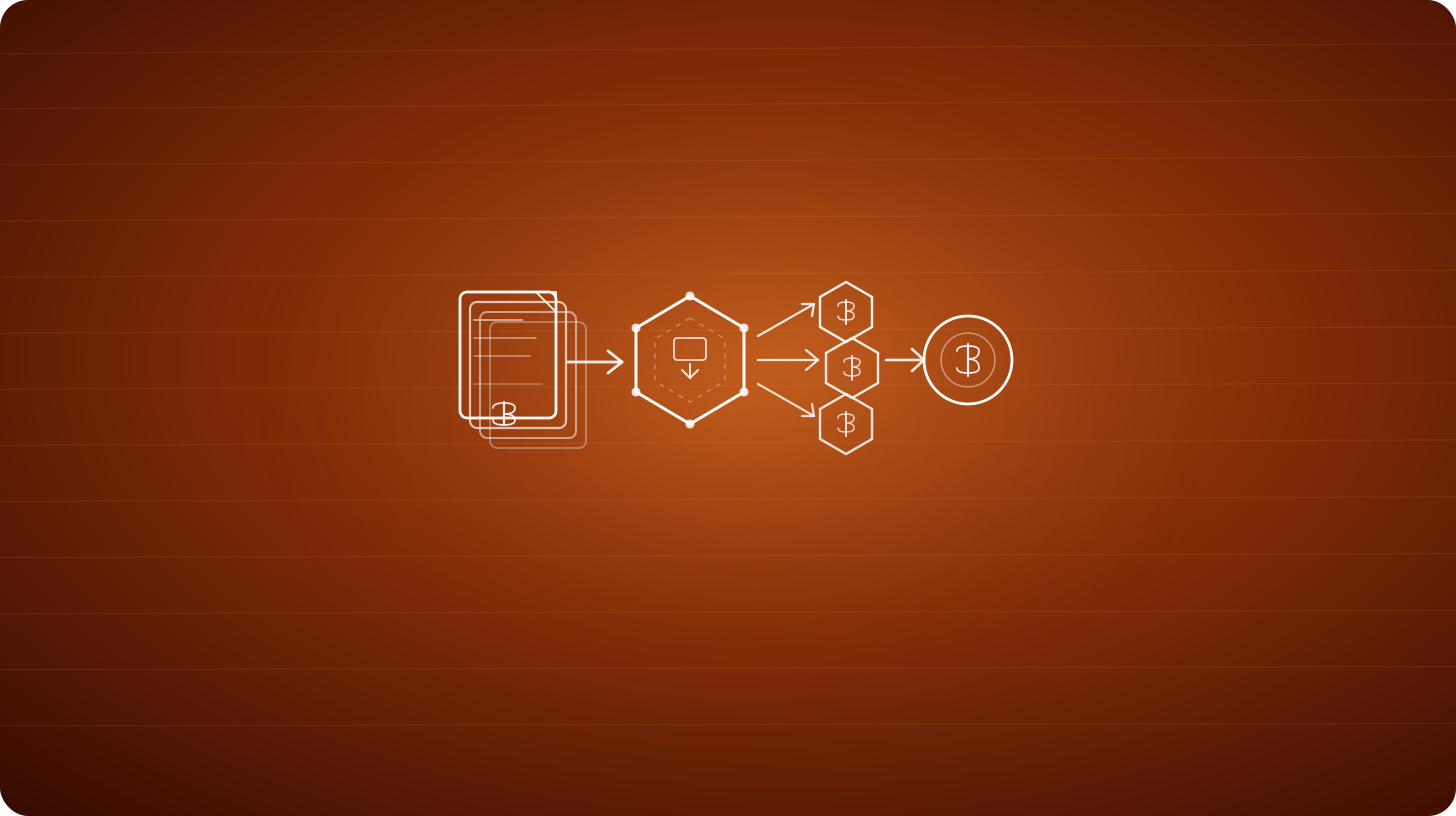
The enabling primitive is the token standard representing a fund share backed by segregated Treasury holdings at a regulated custodian. The typical architecture: a licensed fund holds short-dated U.S. government securities with a custodian like BNY Mellon, a transfer agent mints ERC-20 tokens representing fund shares, and oracle infrastructure provides price feeds reflecting the latest NAV or intrinsic redemption value.
The CFTC has launched a pilot program accepting tokenized collateral in derivatives markets, allowing tokenized Treasuries and money market funds to be posted as margin. This is not a sandbox experiment. It establishes acceptance standards for tokenized assets in the most regulated segment of financial markets. Combined with the OCC's GENIUS Act rulemaking, which permits stablecoin reserves to include qualifying money market funds and tokenized reserve assets, the regulatory infrastructure is converging toward treating on-chain Treasuries as functionally equivalent to their off-chain counterparts.
What Would Falsify This
Two developments would undermine the tokenized Treasury collateral thesis within 12 months. First, if a major tokenized Treasury product experiences a pricing failure or redemption freeze during market stress, institutional confidence would be severely damaged. The DIA oracle launch directly addresses this by computing intrinsic fair value for assets that lack liquid secondary markets. Second, if regulators restrict the use of tokenized fund shares as collateral in lending protocols, classifying the activity as unregistered securities lending, the composability that makes these instruments useful would be legally foreclosed.
What to Watch Monthly
Three metrics track whether tokenized Treasuries are transitioning from passive yield products to active collateral infrastructure. First, the total value of tokenized Treasuries posted as collateral in DeFi lending protocols, not just held in wallets. This number distinguishes instruments being used from instruments being stored. Second, the number of DeFi protocols that accept tokenized Treasury products as collateral, which indicates whether integration is broadening beyond early adopters. Third, CFTC pilot program participation: the number of clearing members posting tokenized collateral for margin will signal whether traditional market infrastructure is treating these assets as operationally equivalent to physical Treasuries.
The person running this system at 2 AM worries about one thing: the gap between the token price on-chain and the redemption value at the fund level. If those numbers diverge during stress, every position collateralized by that token faces simultaneous repricing. The oracle infrastructure, redemption guarantees, and custodial segregation surrounding these products are designed to keep that gap near zero. Whether they succeed under stress has not yet been tested at scale.
For informational purposes only. Not an offer to buy or sell any security. Available only to accredited investors who meet regulatory requirements.