Running a Token Buyback Program as a Public Company


The token buyback that matters for institutions in 2026 is not a protocol burning its own supply. It is a listed digital asset treasury company buying back its own shares when the stock trades below the value of the tokens it holds. On April 9, OceanPal disclosed repurchases under a 10 million dollar program and formalized 0.8x mNAV as a standing threshold below which buybacks become its primary capital allocation priority. On July 1, TON Strategy entered a Rule 10b5-1 plan under a 250 million dollar authorization. On July 30, Lite Strategy reported repurchasing roughly 13 percent of its outstanding shares since December for about 5.4 million dollars at an average of 1.11. Strategy's own capital framework states the principle plainly: repurchase when accretive. The economics are the point. When a company trades below the market value of its treasury, repurchasing a share buys the underlying token at a discount — which is why Lite Strategy reports the result not in shares retired but in Litecoin backing per share.
The Legacy Workflow
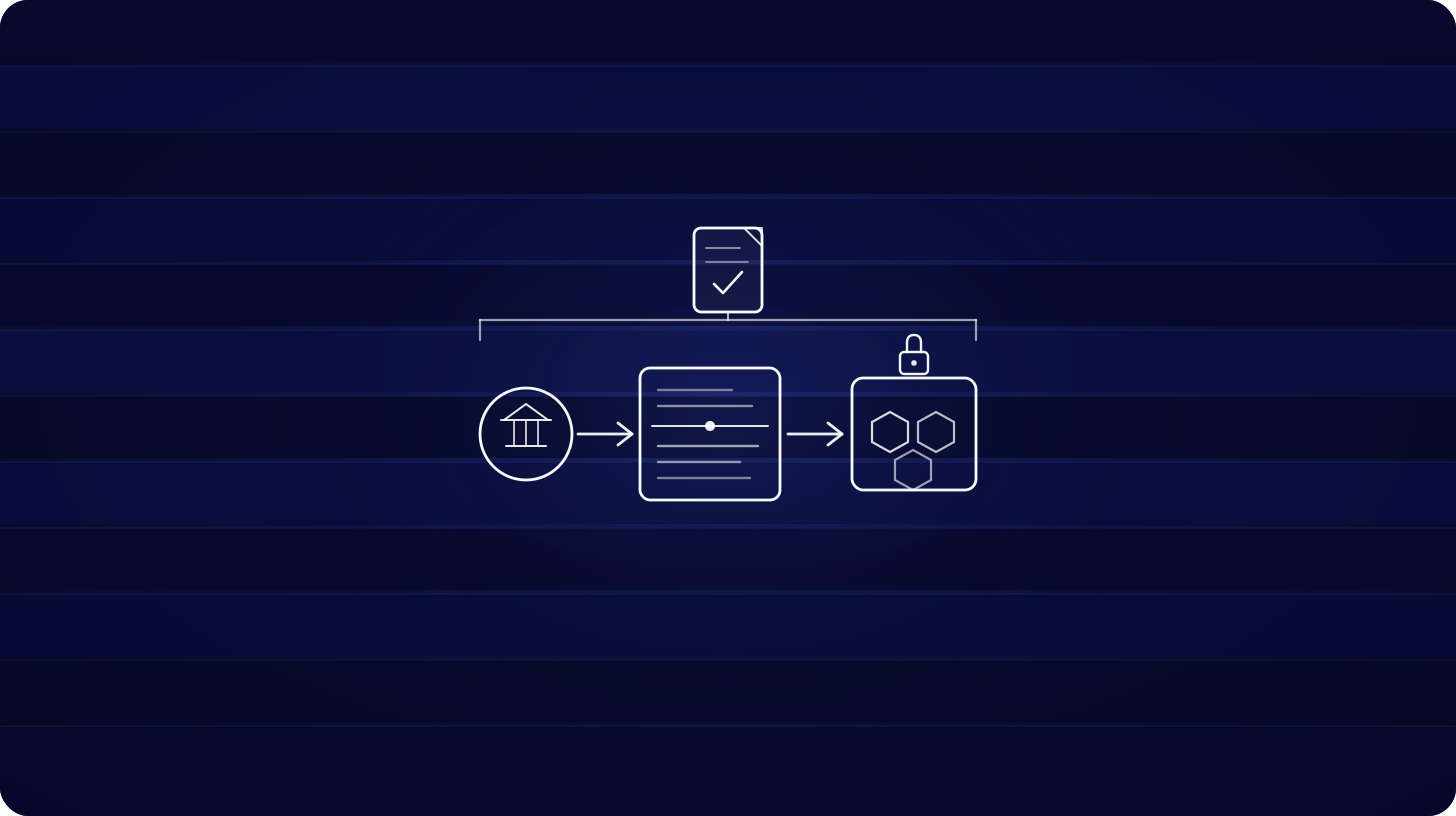
A conventional repurchase program runs on a well-worn path. The board authorizes a dollar amount and duration; the company announces it; execution happens in the open market under the Rule 10b-18 safe harbor, through a pre-arranged Rule 10b5-1 plan that permits buying during blackout periods, or through an accelerated share repurchase with a bank. Rule 10b-18 is stricter than operators assume: it applies daily, and all four of its conditions — manner, timing, price, and volume — must be satisfied, because failing any one disqualifies all of that day's eligible repurchase activity from the safe harbor. Repurchases are then disclosed in the quarterly repurchase table. The apparatus assumes the question is whether the stock is cheap relative to the business.
The Treasury-Company Workflow
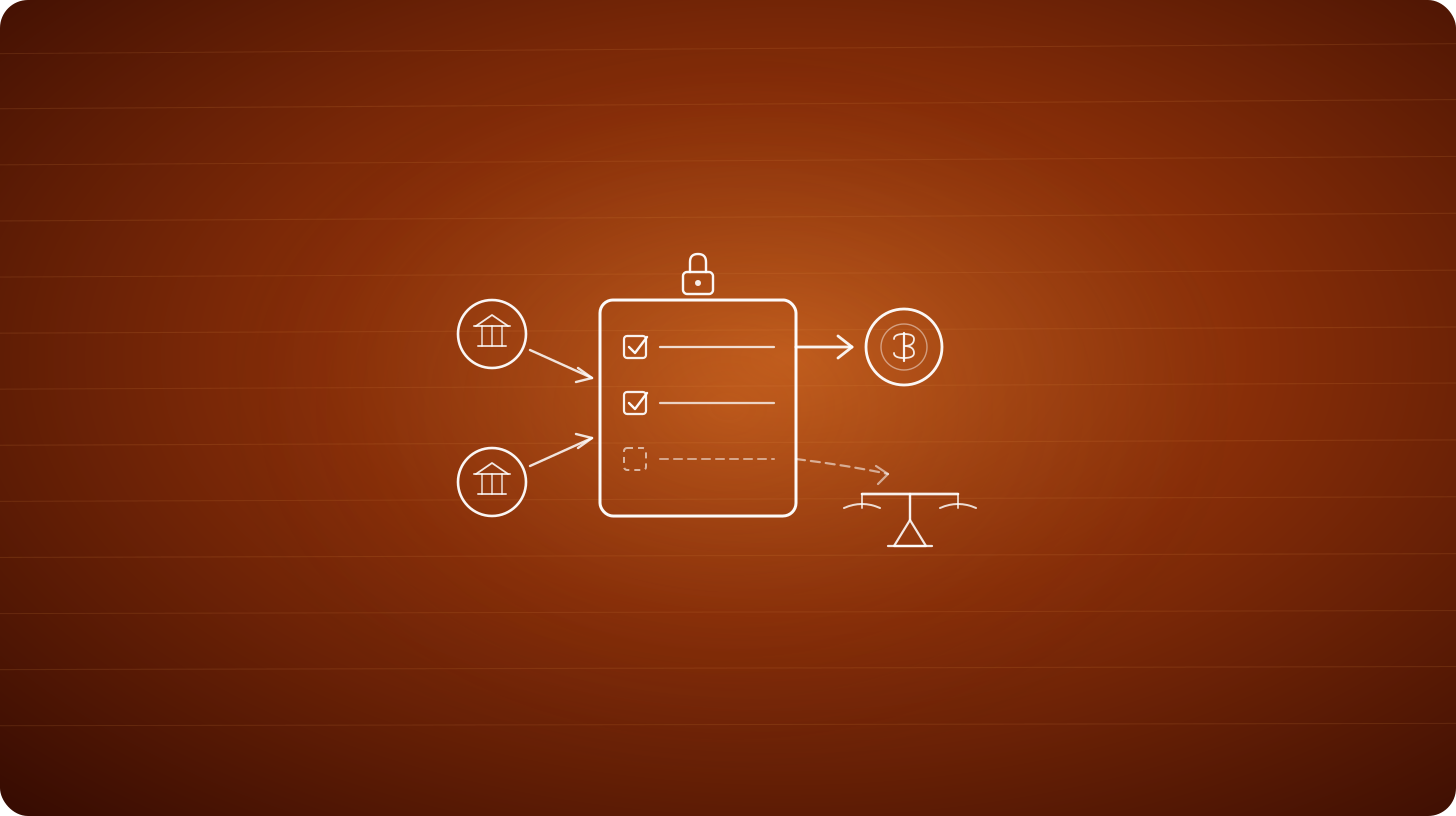
For a digital asset treasury, the question changes, and so do the steps. The trigger metric is mNAV — market capitalization divided by the market value of token holdings — monitored continuously rather than reviewed quarterly. The threshold is written as policy rather than left to discretion, which is what OceanPal's 0.8x standard and Strategy's accretion framework both do. The funding decision comes next and is the step that distinguishes this workflow from its legacy form: repurchases can be funded from operating cash, from selling a portion of the treasury asset, from yield on the treasury such as covered-call premiums, or from borrowing against the holdings. Execution then runs through the same 10b-18 or 10b5-1 machinery as any buyback, with an executing broker. And the reporting KPI shifts from shares retired to token backing per share, since that is the quantity the program exists to raise.
Where It Breaks
Three failure points define the workflow. First, the funding leg. Selling the treasury asset to repurchase stock shrinks the very position the program is meant to concentrate, and borrowing against the holdings adds leverage precisely when the market is signaling doubt about the company. Lite Strategy's own disclosure names the pattern directly, noting that many treasury companies are borrowing against their crypto to fund buybacks while it financed its program entirely from treasury operations — Litecoin sales and covered-call premiums — and carries no debt. The funding source is the risk decision; the buyback is just its expression.
Second, the metric moves when the market that closes the gap is shut. NAV is marked at a token price that trades continuously, while the equity trades in market hours, so the discount a company believes it is capturing is measured against a denominator that changed overnight and over the weekend. Third, reflexivity: a treasury company that sells its token to fund repurchases pushes the token's price down, lowering NAV, which can reopen the discount it was trying to close. And for thinly traded stocks, the safe harbor's volume condition caps how quickly any discount can be closed at all.
Costs, Timing, and the Skeptic's Case
The mechanics are cheap and familiar: broker commissions, the legal work of a 10b5-1 plan, and board time. Timing is governed by the safe harbor and blackout windows, not by the token market. The accretion is real where it occurs — Lite Strategy reports its discount narrowed to below 25 percent while its token backing per share rose.
The skeptic's case is nonetheless the stronger half of this story. A buyback wave below NAV is not evidence of adoption; it is evidence that the market prices the treasury-company wrapper below the tokens inside it, preferring direct exposure to the vehicle. A company at 0.8x is being told its structure destroys value relative to simply holding the asset. The accretion math also depends entirely on the discount closing — if the discount is structural, driven by governance, operating costs, leverage, or dilution risk, repurchases shrink the company without fixing what the market is pricing. And outside the largest names, the programs are small, measured in single-digit millions, which makes this a feature of micro-cap balance sheets more than of institutional finance.
The constructive read is narrower but real: the better-run programs now write the threshold down, fund repurchases without adding leverage, and report token backing per share as the KPI — which gives an allocator three things to check. Is the trigger a written policy or a mood? Is the buyback funded by yield, cash, or debt? And is the discount narrowing because the program works, or because the token rallied? Those answers separate capital allocation from a treasury company defending its own share price with borrowed money.
For informational purposes only. Not an offer to buy or sell any security. Available only to accredited investors who meet regulatory requirements.