Stablecoin Transfer Volume: Raw vs Adjusted Economic Activity



On March 13, Mizuho Securities published a research note showing that USDC has overtaken USDT in adjusted stablecoin transaction volume for the first time since 2019. USDC processed approximately 2.2 trillion dollars in adjusted volume in early 2026 compared to USDT's 1.3 trillion dollars, giving Circle's token a 64 percent share of the combined adjusted flow. For allocators evaluating stablecoin adoption as a proxy for institutional readiness, the word "adjusted" is doing all the work in that sentence. Understanding what it means, and what raw volume hides, is the difference between reading a real signal and reading noise.
What This Metric Measures
Stablecoin transfer volume is the total dollar value of stablecoin tokens moved between addresses on public blockchains over a given period. Raw volume counts every on-chain transfer: user-initiated payments, exchange deposits and withdrawals, DeFi protocol interactions, arbitrage bot loops, internal smart contract calls, and exchange wallet rebalancing. In 2025, raw stablecoin volume reached approximately 33 trillion dollars, exceeding Visa's 16.7 trillion dollars in annual network spending.
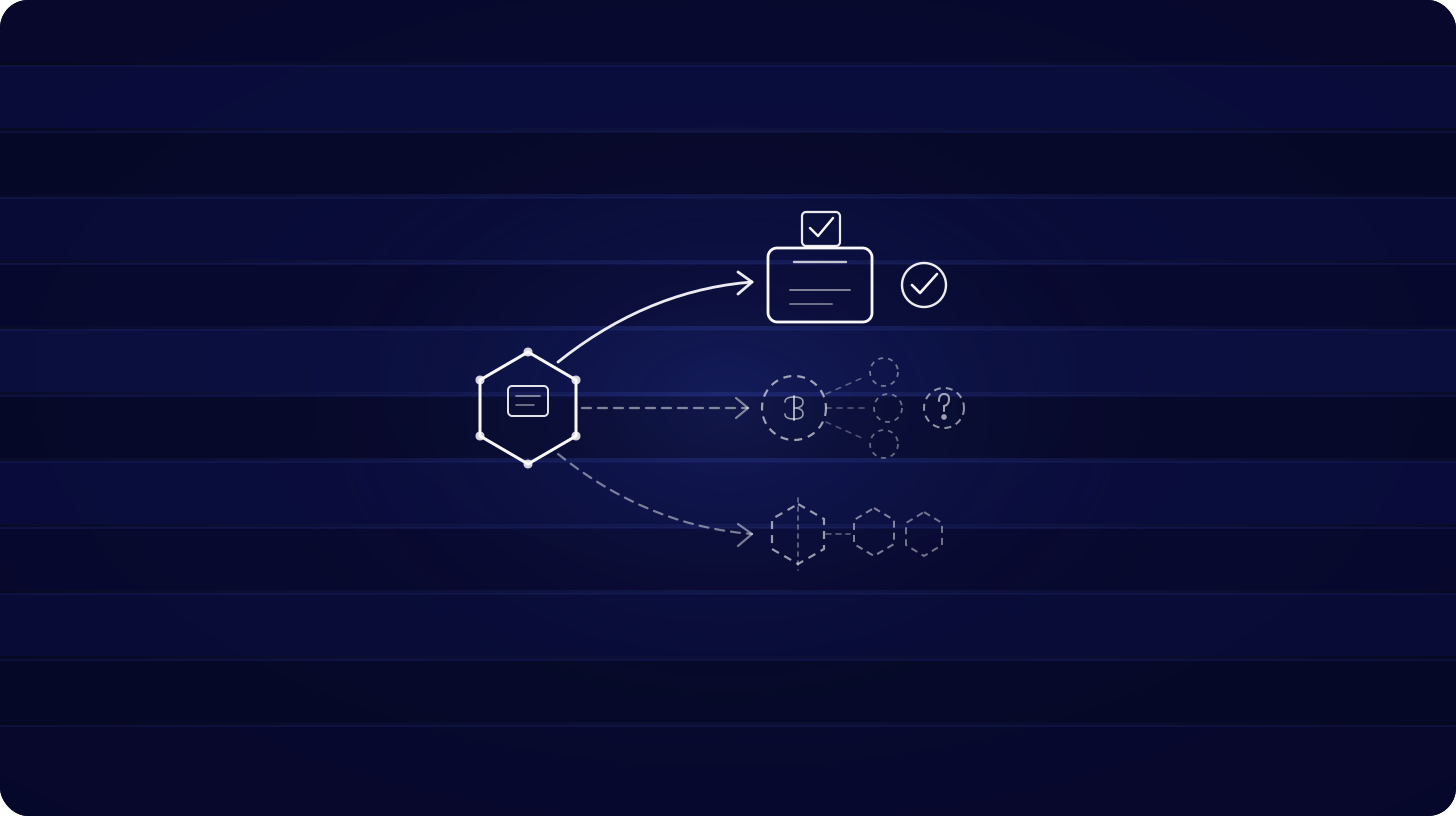
That comparison is misleading without adjustment. A Visa transaction represents a discrete purchase. A stablecoin on-chain transfer may represent an arbitrage bot cycling millions of dollars through the same smart contracts thousands of times per hour. The transaction is real — gas fees are paid and settlement occurs — but it does not represent new economic activity.
How It Gets Distorted
Visa's Onchain Analytics Dashboard, built with Allium Labs, identifies the primary distortions. First, bot activity: on high-throughput chains like Solana and Base, Visa estimates that nearly 90 percent of transactions are automated. These include MEV bots, liquidity provision loops, and arbitrage between DEX pools. Second, internal transfers: exchanges rebalancing their own wallets or moving funds between hot and cold storage generate volume that looks like economic activity but represents housekeeping. Third, smart contract internals: a single user swap on a DEX can trigger multiple intermediate token transfers within the transaction, each counted separately in raw volume.
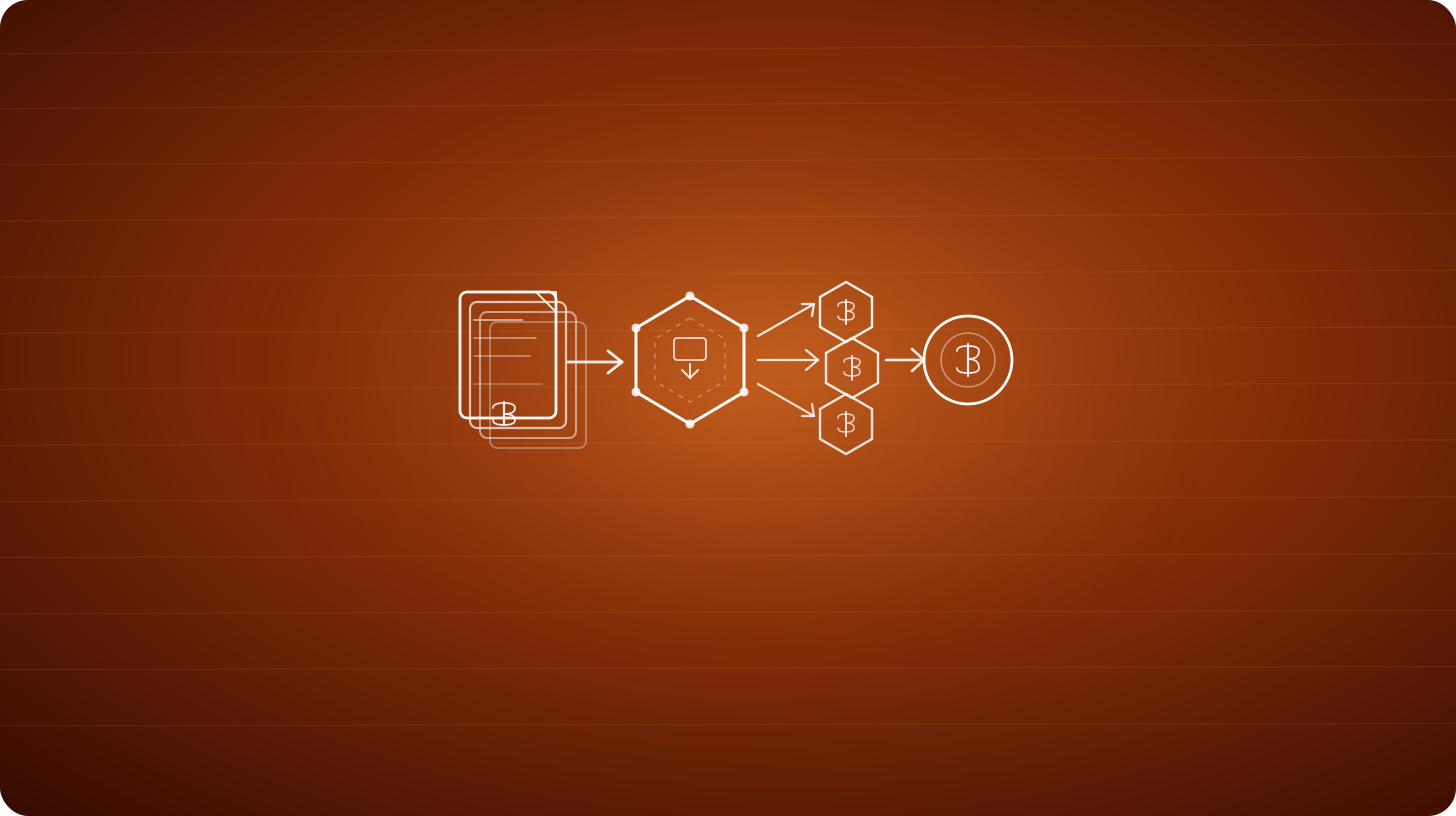
The adjustment methodology strips these out using two filters. A unidirectional volume filter counts only the largest stablecoin amount in each transaction, removing redundant internal hops. An address-based filter excludes any address that has sent more than 1,000 transactions or 10 million dollars in volume during any 30-day rolling period, which removes high-frequency bots and automated market-making wallets. The result: adjusted monthly stablecoin volume reached approximately 1.5 trillion dollars by October 2025, compared to raw monthly volume that was several multiples larger.
Companion Metrics
Three companion metrics help a CFO distinguish real adoption from inflated throughput. First, monthly active stablecoin addresses. Visa reports 47 million monthly active users across all chains, a figure that tracks organic adoption better than volume because each address represents a distinct participant. Second, retail-sized transaction share. Transactions under 250 dollars represent less than 1 percent of adjusted volume, indicating that stablecoin activity is still overwhelmingly institutional and wholesale rather than consumer-driven. Third, net stablecoin supply growth. The total stablecoin market crossed 315 billion dollars in March 2026, up from approximately 150 billion dollars at the start of 2024. New supply entering the system, particularly through compliant channels, reflects persistent demand rather than circular trading.
What a Healthy Trend Looks Like
Over 12 months, a healthy stablecoin ecosystem shows adjusted volume growing while the ratio of adjusted-to-raw volume remains stable or increases. If raw volume surges but adjusted volume stays flat, the growth is coming from bots, not users. If both metrics rise together, real economic activity is expanding alongside market infrastructure.
The Mizuho finding that USDC now dominates adjusted volume is significant because USDC is the more regulated, transparent stablecoin. Its growth in adjusted terms suggests that institutions driving real economic activity — corporate treasuries, payment processors, and DeFi protocols — are choosing USDC over USDT. This aligns with the regulatory trajectory: the GENIUS Act framework, the SEC's 2 percent haircut for compliant stablecoins, and Circle's IPO filing all point toward USDC becoming the default institutional dollar on-chain.
What This Tells a CFO
For an allocator's reporting framework, stablecoin volume data requires the same scrutiny as any throughput metric. A 33-trillion-dollar headline number cited without the adjusted context is as misleading as reporting gross merchandise volume without returns and cancellations. The Visa Onchain Analytics Dashboard provides the closest thing to a standardized adjustment methodology, and its free public access makes it a practical tool for any compliance or finance team.
The constructive signal underneath the noise is real. Adjusted volume grew 58 percent year-over-year through late 2025. Monthly active addresses continue to climb. Corporate adoption is accelerating, with an EY-Parthenon survey showing 13 percent of corporates and financial institutions using stablecoins and 54 percent of non-users expecting to adopt within 6 to 12 months. The stablecoin economy is growing. Reading that growth accurately requires knowing which number to trust.
For informational purposes only. Not an offer to buy or sell any security. Available only to accredited investors who meet regulatory requirements.