Smart Contract Upgrade Risk: Who Holds the Keys?



In late February, the OWASP Smart Contract Top 10 for 2026 added proxy and upgradeability vulnerabilities as an entirely new category, the first addition to the list driven specifically by governance failures rather than code-level bugs. The inclusion reflects what 2025's breach data made clear: insecure upgrade patterns and weak control over who can modify live contracts have become one of the most consequential risk vectors in blockchain infrastructure. For compliance officers and legal teams conducting due diligence on DeFi protocols or tokenized asset platforms, this is the control point that determines whether a smart contract is genuinely trustless or whether it has an admin backdoor dressed up in decentralization language.
The Failure Mode
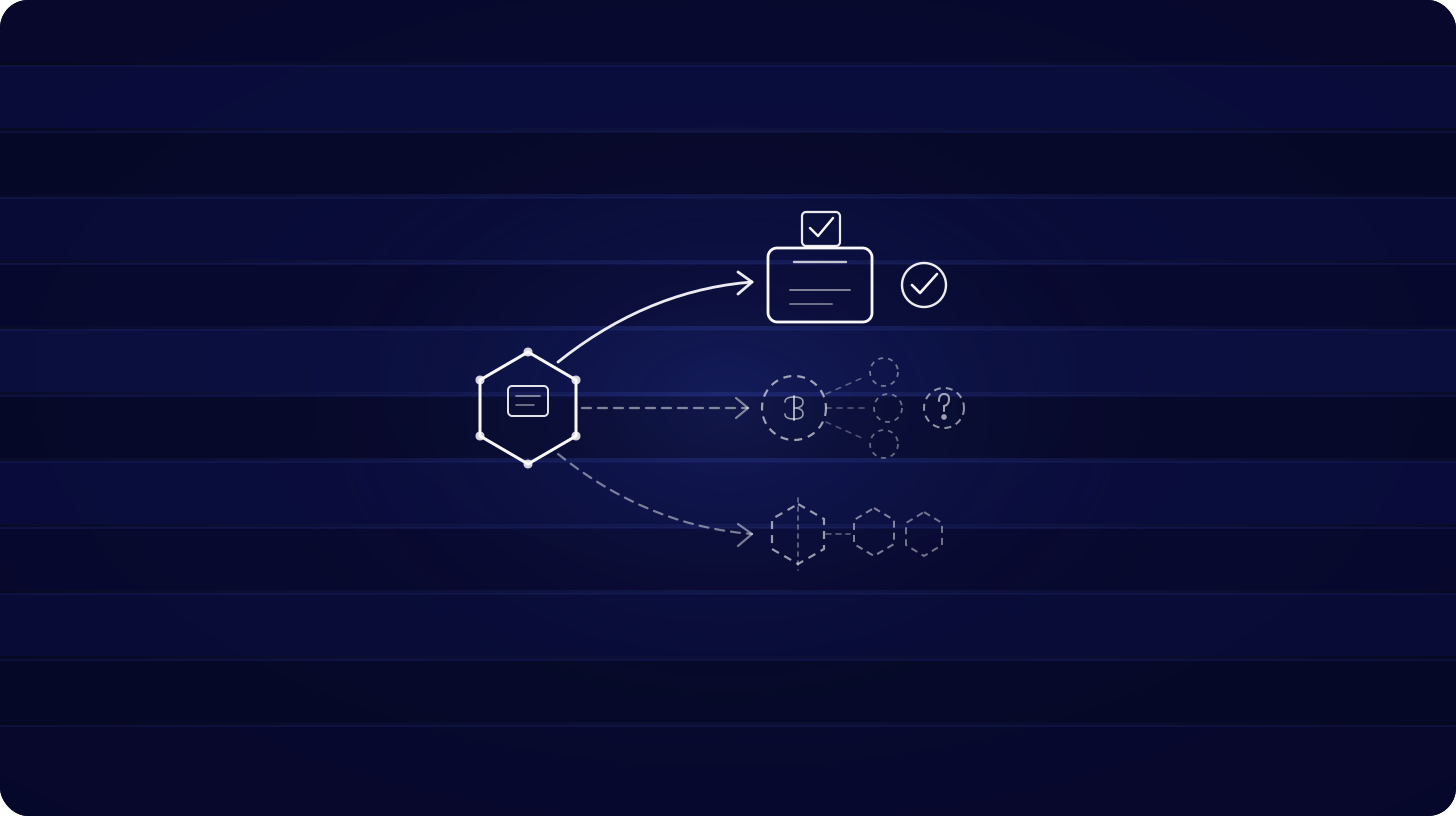
Most production smart contracts on Ethereum use a proxy pattern. The user interacts with a fixed proxy contract that stores data, while the actual business logic lives in a separate implementation contract. When the team wants to fix a bug or add a feature, they deploy a new implementation and point the proxy to it. An estimated 35 to 40 percent of smart contracts deployed in 2025 used proxy or upgradeable patterns.
The risk is straightforward: whoever controls the upgrade function controls the contract. If a single private key can authorize an upgrade, that key can rewrite what the contract does. An attacker who compromises the admin key, or an insider who abuses it, can deploy a malicious implementation that drains funds, mints unauthorized tokens, or changes balances. The original code can pass every audit and still be irrelevant once the upgrade function executes.
Who Gets Hurt and How
The blast radius of a compromised upgrade key is total. Every user who deposited funds, every token holder whose balances the contract tracks, and every protocol that integrates with the affected contract is exposed. Three incidents from the past 90 days illustrate the pattern. On December 30, 2025, Unleash Protocol lost approximately 3.9 million dollars after an attacker exploited the protocol's multisig governance to force an unauthorized contract upgrade, withdrawing over 1,300 ETH in user funds. On January 5, 2026, a proxy contract exploit on Arbitrum drained 1.5 million dollars from the USDGambit and TLP projects after the attacker gained control of the upgradeable proxy. Earlier in 2025, access control vulnerabilities, the category that includes upgrade authorization flaws, accounted for 953 million dollars in documented losses.
Early Warning Indicators
A compliance team evaluating a protocol's upgrade risk should look for specific red flags. First, check whether the upgrade function is controlled by a single externally owned account or by a multisig wallet with a meaningful signer threshold. A 2-of-3 multisig offers far less protection than a 4-of-7 with geographically distributed signers. Second, check for a timelock: a mandatory delay between when an upgrade is proposed and when it executes, giving users time to exit before new code takes effect. Protocols without timelocks can push malicious upgrades instantly. Third, verify whether the protocol publishes upgrade proposals on-chain before execution, allowing independent review.
Real Defenses vs. Marketing
Not all stated protections are equally meaningful. A multisig wallet is a genuine defense, but only if the signers are independent parties rather than members of the same team. A timelock is a genuine defense, but only if the delay is long enough for monitoring systems to detect anomalies and users to withdraw, typically 48 hours minimum. A governance token vote is a genuine defense against insider abuse, but is vulnerable to flash-loan-based vote manipulation where an attacker borrows tokens, votes, and returns them in a single transaction.
The defense that matters most from a reporting and controls perspective is whether the protocol's upgrade authority is visible on-chain and whether changes trigger alerts to independent monitoring services. Firms like OpenZeppelin, Forta Network, and Cyvers provide real-time monitoring that flags proxy upgrades and admin key changes as they happen. This monitoring does not prevent exploits, but it compresses detection time from hours to seconds.
What Is Improving
The constructive signal is that the tooling ecosystem is maturing rapidly. OWASP's new SC10 category means proxy risks now have a standardized framework for auditors and compliance teams to reference. OpenZeppelin's upgrade plugins perform compile-time checks for storage layout compatibility and initializer safety. Slither's upgrade checker automates detection of uninitialized proxies and storage collisions. And the industry is moving toward governance minimization, where protocols progressively remove upgrade authority as the contract matures, eventually making the code fully immutable once battle-tested.
For a compliance officer writing a risk assessment, the residual risk statement is this: any protocol with an active upgrade function carries the risk that its behavior can be changed after deployment, and the adequacy of controls around that function, not the quality of the current code, is the binding constraint on investor safety.
For informational purposes only. Not an offer to buy or sell any security. Available only to accredited investors who meet regulatory requirements.