
Repo Markets Move On-Chain: The Four Trillion Dollar Migration

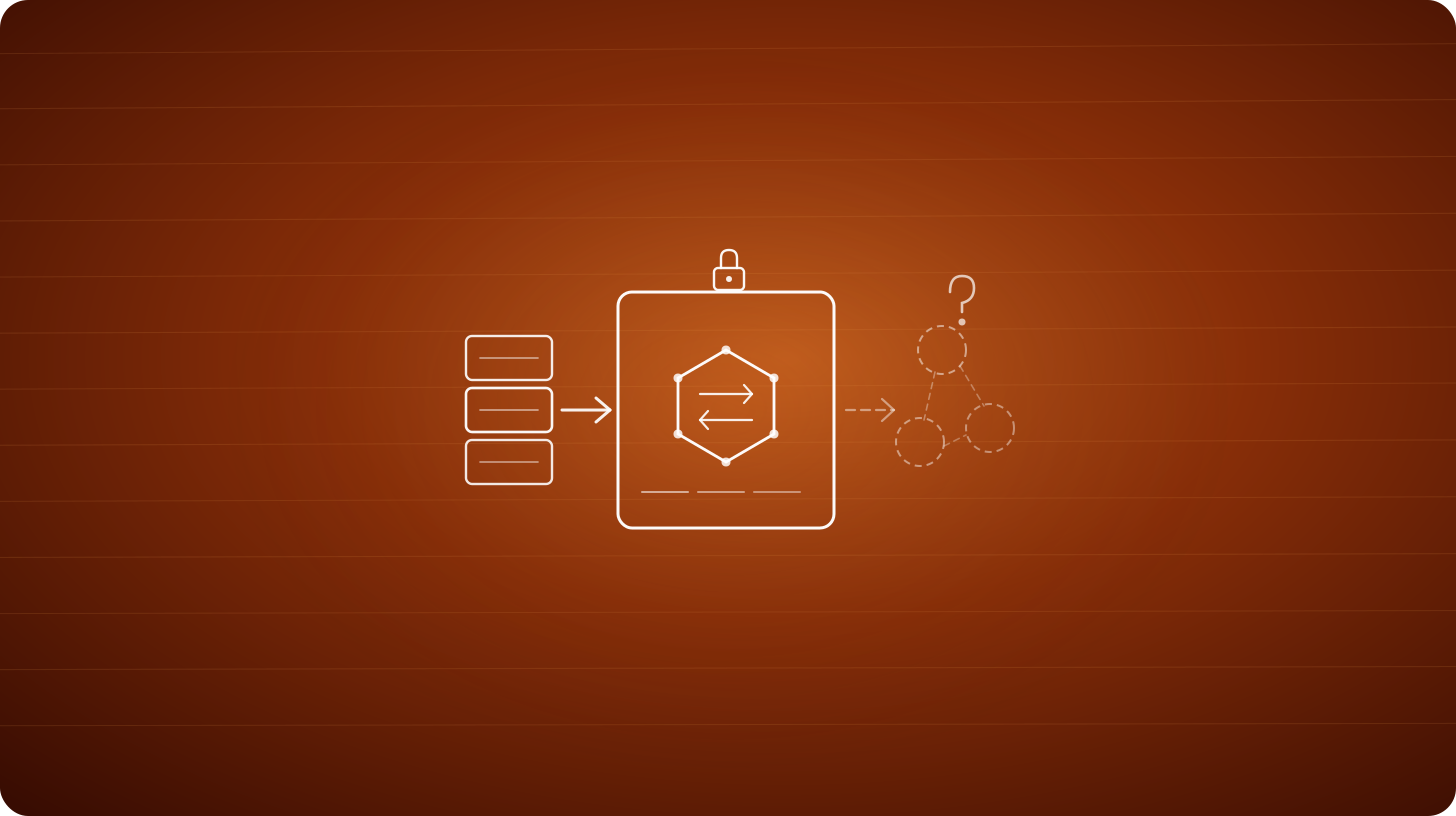

On September 2, 2026, Broadridge expanded its Distributed Ledger Repo platform beyond tokenized US Treasury collateral to G7 securities, adding cross-border repo and collateral mobility across multiple currencies and jurisdictions. The platform is not a pilot: DLR processed an average of 351 billion dollars in daily repo transactions in August, totaling 7.4 trillion for the month — following 8 trillion in July at 365 billion daily, up 28 percent year over year, and June's 7.5 trillion at 68 percent annual growth. It runs on the Canton Network with JPM Coin interoperability, and its client list includes Societe Generale, UBS, HSBC, DRW, and Commerzbank. As Broadridge's global head of digital innovation put it, tokenized financing and collateral markets are not a future-state concept but proven infrastructure operating at scale. That settles the feasibility question and sharpens a harder one: does a permissioned platform run by an incumbent constitute migration, or a very good database upgrade?
The Falsifiable Claim
By December 31, 2030, two things are true: atomic settlement handles at least a quarter of US repo daily volume, and intraday repo becomes a standard treasury liquidity tool rather than a specialist product. The second condition is the real test. Settling an overnight repo faster is an efficiency gain on an existing product; making a four-hour repo economically viable is a new capability that could not exist when settlement took a day, and that distinction separates migration from digitization. A thesis satisfied only by the first condition has proven the rails work without proving they changed anything.
What Must Be True and the Constraint Today
Three conditions must convert. First, the platform layer must broaden beyond one network — a single dominant venue is consolidation, not migration, and the thesis needs a second platform at comparable scale or genuine interoperability. Second, the collateral set must generalize, which the G7 expansion begins: Treasury-only tokenized repo serves one funding market, cross-currency collateral mobility serves the global one. Third, intraday usage must move from available to habitual, embedded in daily liquidity management rather than deployed at quarter-end.
The binding constraint is the cash leg. Atomic settlement means securities and cash move in one coordinated transaction, which requires tokenized cash on the same ledger — JPM Coin interoperability and Societe Generale's euro and dollar CoinVertible stablecoins are the current answer, and they are partial. Where no tokenized cash exists in the relevant currency, settlement is synchronized on one side and conventional on the other, which is better than today but not the delivery-versus-payment the architecture promises. Cross-border repo in G7 securities makes this constraint sharper, not softer, because it multiplies the currencies needing a cash token.
The Enabling Primitive and a Real Example
The enabling primitive is atomic delivery-versus-payment on a shared ledger: tokenized collateral and cash moving simultaneously under smart-contract control, replacing fragmented messaging, reconciliation, and internal record-keeping with a single synchronized record of the trade and its collateral status. That primitive is what makes short-duration repo viable, because a four-hour financing trade cannot survive a settlement process measured in days.
The real example is a capital-efficiency number rather than a volume headline. Broadridge's research with Finadium found that routing 15 percent of activity through intraday DLR could reduce intraday liquidity buffer requirements by 8 to 17 percent — the business case in one line: not faster settlement as a virtue, but less trapped balance-sheet cash, which is a treasurer's argument rather than a technologist's.
What Would Falsify This and the Skeptic's Case
The skeptic's strongest argument is that this is a permissioned database with better marketing. The ledger is private, the participants are the same banks, the collateral is the same Treasuries, the intermediary is the same incumbent, and nothing about it is open, composable, or permissionless — so calling it "on-chain" borrows credibility from a different technology than the one deployed. Second, the scale is smaller than it sounds: US repo runs multiple trillions daily, so 351 billion is a single-digit share sitting almost entirely on one platform, which describes concentration rather than a market moving. Third, repo turnover flatters the numbers — volume counts every leg and rollover, so infrastructure optimized for short-duration activity mechanically generates more transaction volume per unit of underlying financing, meaning growth in dollars settled can overstate growth in share. Fourth, the friction being removed is real but modest: tri-party repo already functions well, and the honest gain is operational cost and intraday liquidity efficiency rather than access to a market that did not work.
Three developments would invalidate the thesis: volume plateauing with no second platform reaching comparable scale and no interoperability, leaving one vendor rather than a market; intraday repo remaining a specialist tool through 2028, proving the upgrade delivered speed without new capability; or the cash leg failing to generalize across currencies, leaving atomic settlement partial where cross-border activity most needs it. The monthly trackables: DLR daily volume and its year-over-year rate, the intraday share of that volume, the count of platforms at institutional scale, tokenized-cash currency coverage, and the G7 collateral share as the expansion converts or stalls. The constructive signal is that this is the least narrative-driven tokenization story in the market — volumes reported monthly, clients named, the capital-efficiency benefit quantified by third-party research, and the product operating before the thesis was written. Whether that constitutes migration or modernization is the honest open question, and the next two years of intraday adoption will answer it.
For informational purposes only. Not an offer to buy or sell any security. Available only to accredited investors who meet regulatory requirements.