Pyth: High-Frequency Market Data Oracles



On March 10, oracle provider DIA launched a product specifically designed to price illiquid on-chain assets that conventional price feeds cannot serve, targeting over 100 billion dollars in capital that lacks reliable oracle coverage. The launch highlights a structural fact about on-chain finance: every lending protocol, every perp exchange, and every automated liquidation depends on an oracle telling it what assets are worth. Pyth Network, the largest first-party oracle by integration count, sits at the center of this dependency. For a technical PM evaluating DeFi infrastructure, understanding how Pyth works, who pays whom, and what can fail is not optional.
How the Architecture Works
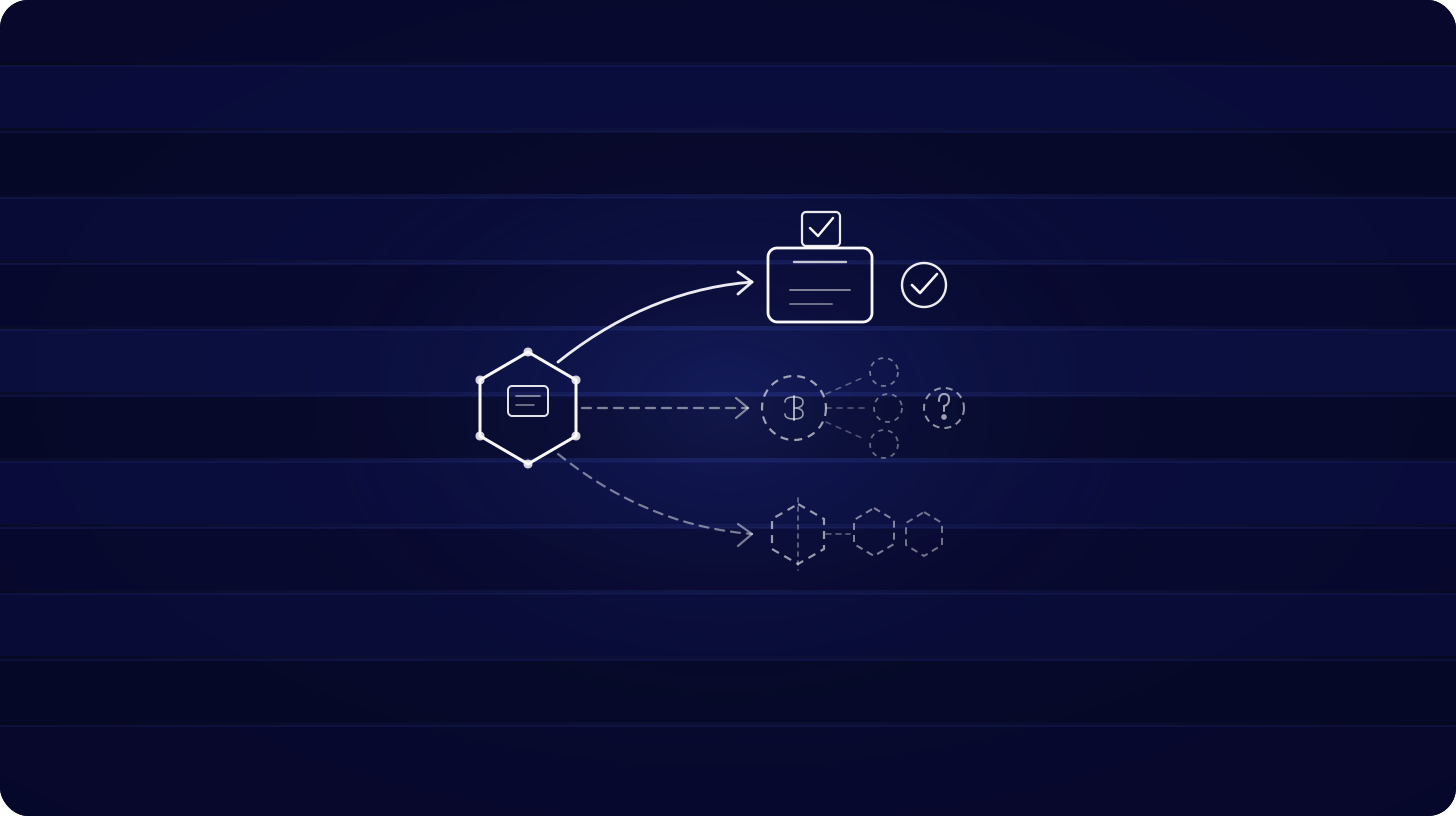
Pyth is a pull-based oracle network. Unlike Chainlink's push model, where oracle nodes periodically post prices on-chain regardless of whether anyone needs them, Pyth publishes price updates to its dedicated Pythnet appchain and waits for consuming applications to request them. When a DeFi protocol needs a price, it pulls the latest update from Pythnet and posts it to its own blockchain in the same transaction. This design reduces unnecessary on-chain transactions and shifts the cost of price updates from the oracle network to the consuming application.
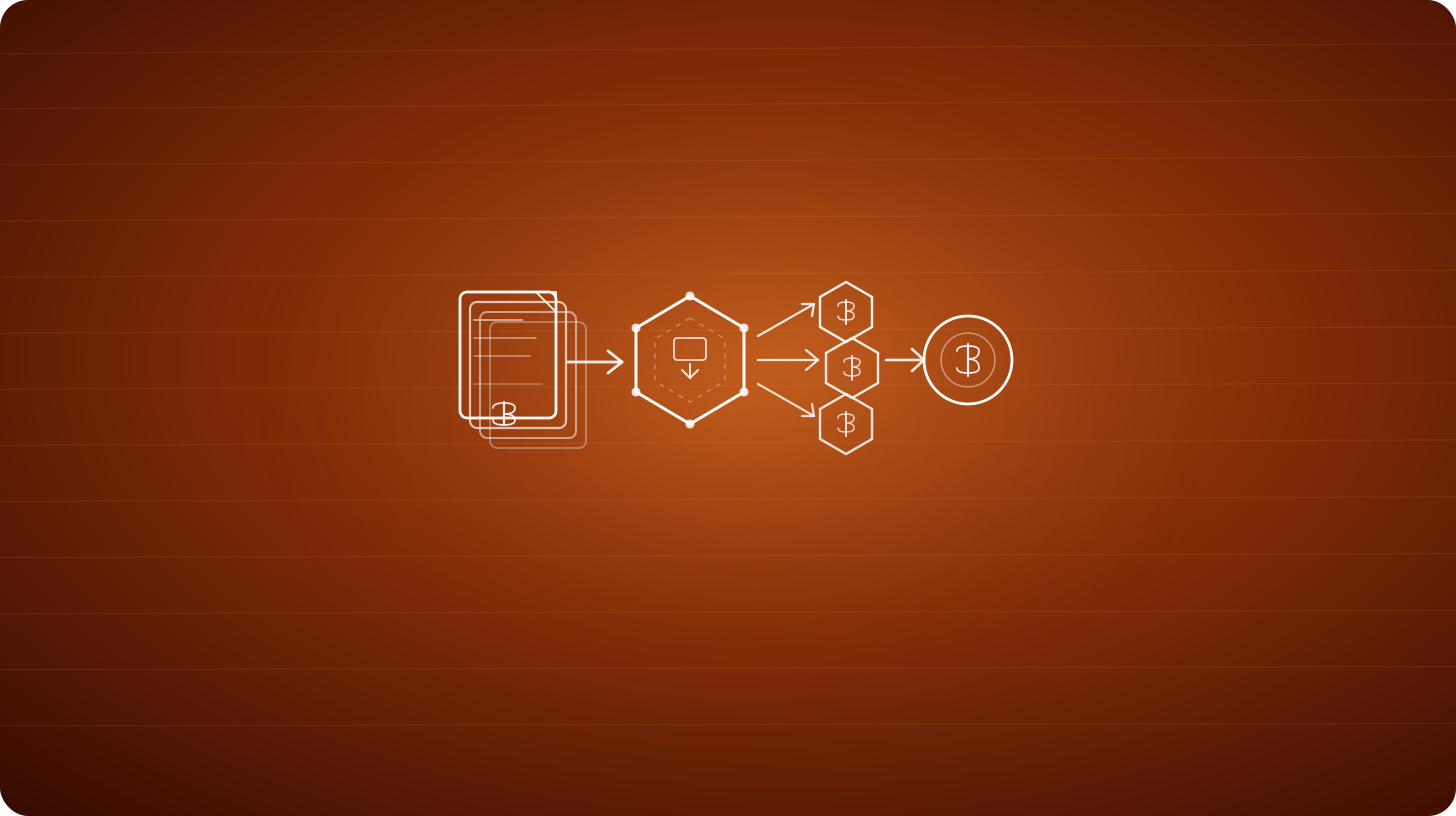
Data comes from over 90 first-party publishers: the entities that generate prices rather than intermediaries that scrape them. Publishers include Binance, OKX, Jane Street, Cboe Global Markets, Wintermute, and Optiver. Each submits a price and a confidence interval. Pyth's aggregation algorithm combines these into a single weighted price with a composite confidence band that widens when publishers disagree or conditions are uncertain.
Updates occur every 400 milliseconds, producing over 200,000 price updates per day across more than 500 feeds covering crypto, equities, ETFs, FX pairs, and commodities. The network currently supports over 40 blockchain ecosystems and has integrated with more than 600 protocols.
Where Value Flows
Publishers contribute proprietary pricing data without receiving direct fees. Their incentive is indirect: accurate on-chain prices enable the DeFi ecosystem to function, generating volume that flows back to them as market makers and exchanges. Consuming applications pay nominal per-query fees, typically 0.0001 to 0.001 tokens per update.
Pyth's monetization is evolving. The PYTH Reserve program allocates 33 percent of the DAO treasury toward monthly token buybacks funded by protocol revenue. Pyth Pro, an institutional subscription product, is targeted for deployment in 2026 and would offer premium data access for professional users. The fee tier structure proposed by the Pythian Council sets rates at 0.01 percent for major stablecoins, 0.05 percent for liquid assets, and 0.1 percent for longer-tail assets through the Express Relay product.
What Can Fail
Three failure modes matter. First, publisher collusion or manipulation. Because Pyth aggregates from first-party sources, a coordinated submission of false prices by a subset of publishers could distort the aggregate before the confidence interval catches it. The mitigation is publisher diversity and the confidence-weighted aggregation that mathematically down-weights outliers. Second, latency divergence. Pyth's 400-millisecond update frequency is fast enough for most DeFi applications, but during extreme volatility, the gap between the real market price and the last posted Pyth price can widen. Any protocol that liquidates positions based on a stale price creates bad debt. Third, single-chain dependency. Pythnet runs on Solana infrastructure, and cross-chain delivery relies on Wormhole bridges. A Wormhole failure or Solana outage delays price delivery to every connected blockchain simultaneously.
The incumbent comparison matters here. Traditional financial data providers like Bloomberg and Refinitiv charge tens of thousands of dollars annually for institutional terminal access and deliver data through dedicated infrastructure with contractual SLAs. Pyth delivers comparable asset coverage at near-zero marginal cost with no SLA. For an institution accustomed to Bloomberg's model, the question is not whether Pyth's data is fast enough but whether the absence of a contractual uptime commitment is an acceptable risk for systems that liquidate collateral automatically.
What Is Improving
The constructive signal is Pyth's expanding coverage into non-crypto asset classes. The network now publishes feeds for global economic benchmarks including Nonfarm Payrolls, CPI, PPI, GDP Index, and PMI. This is significant because it positions Pyth not just as a crypto-native oracle but as a general-purpose financial data layer competing for the roughly 50 billion dollar market data industry. The integration with over 600 protocols across 100-plus blockchains demonstrates that Pyth has achieved the network effects that make oracle switching costs high: once a protocol integrates Pyth, migrating to a competitor requires rewriting smart contract logic and retesting every downstream dependency.
For a technical PM, the risk assessment is straightforward. Pyth is infrastructure that other infrastructure depends on. Its failure mode is not gradual degradation but correlated disruption across every protocol consuming its feeds. The first-party publisher model gives it a structural speed advantage over third-party aggregation oracles. Whether that translates into institutional-grade reliability depends on governance maturity, publisher accountability, and how the confidence interval mechanism performs during a genuine market crisis.
For informational purposes only. Not an offer to buy or sell any security. Available only to accredited investors who meet regulatory requirements.