Protocol Revenue vs Token Incentives: Real Fees vs Emissions



As of early March 2026, DefiLlama data shows Solana generating approximately 2.9 billion dollars in annualized fees while maintaining token inflation of roughly 4 percent annually. Ethereum, with 56 billion dollars in DeFi total value locked, has seen its Layer 1 fee capture decline as activity migrates to Layer 2 rollups. Meanwhile, the 1kx Onchain Revenue Report projects total on-chain fees will exceed 32 billion dollars in 2026, a 63 percent year-over-year increase. For allocators evaluating blockchain as an asset class, the question embedded in these numbers is deceptively simple: how much of the revenue a protocol reports is real economic activity, and how much is manufactured by paying users to show up?
What This Metric Actually Measures
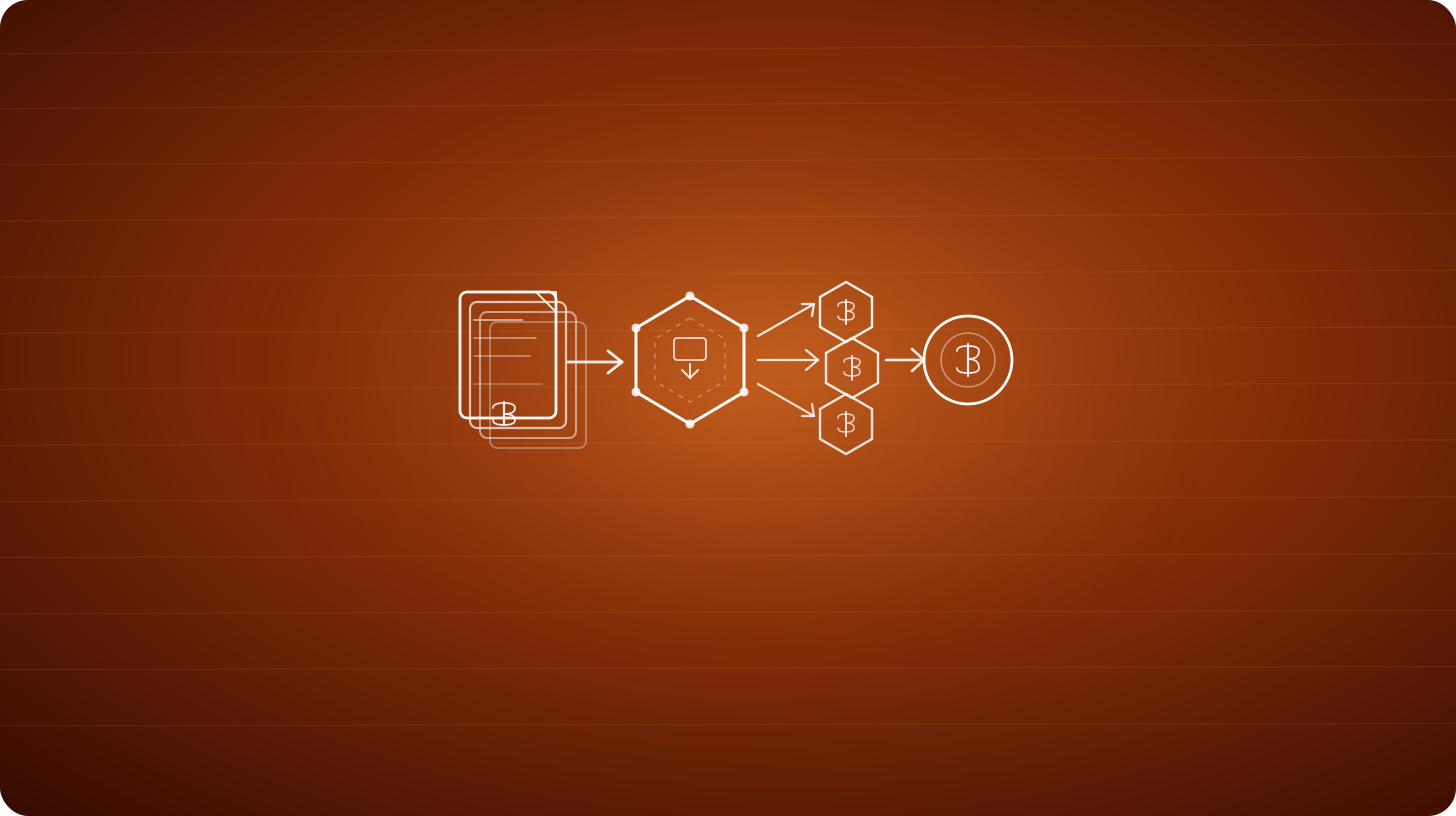
Protocol revenue is the portion of user-paid fees that a protocol retains after distributing payments to supply-side participants like liquidity providers, validators, or lenders. Fees are the total amount users pay. Revenue is what the protocol keeps.
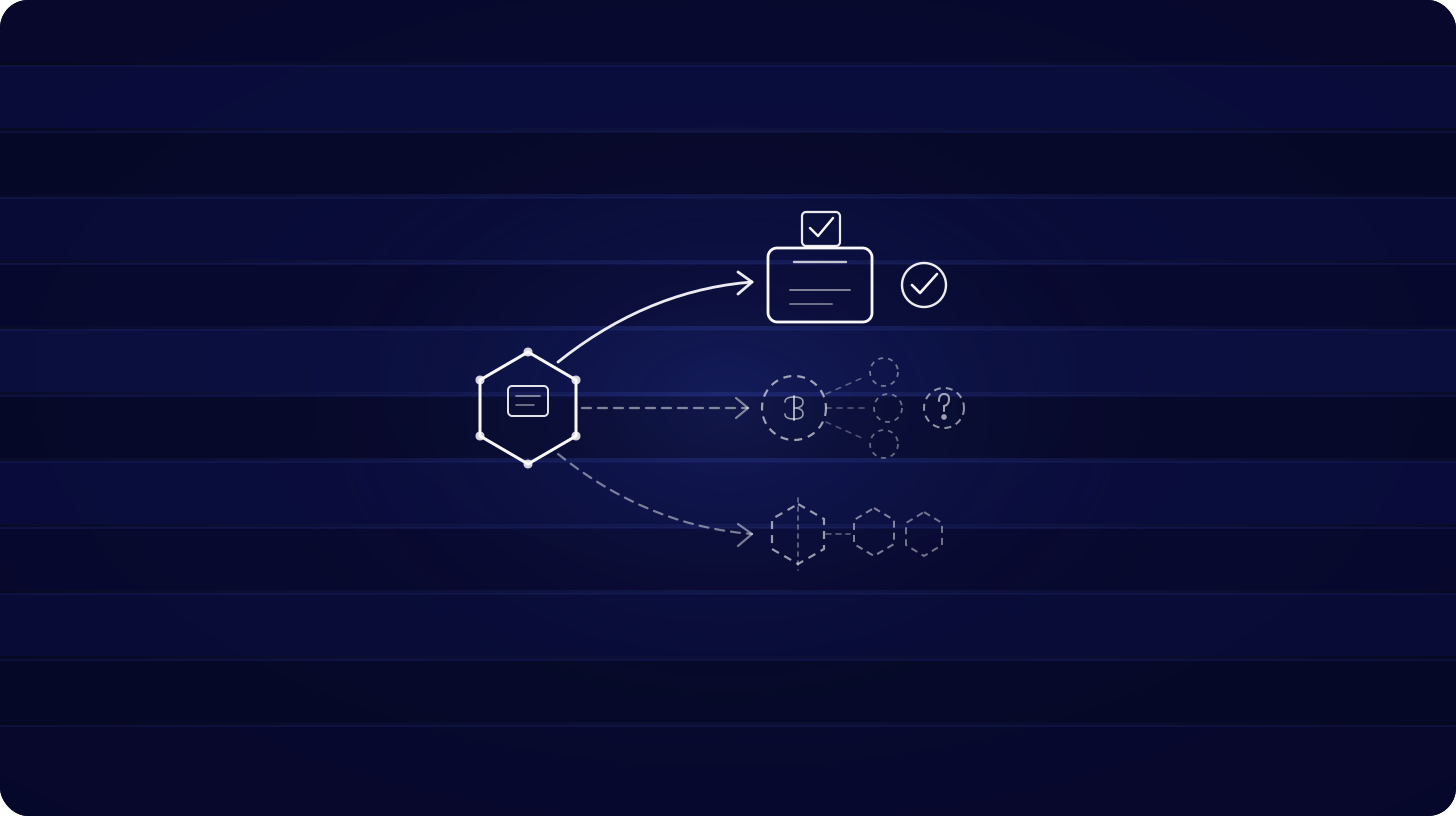
Token incentives, also called emissions, are new tokens minted and distributed to attract users, liquidity, or validators. They do not represent user demand for the protocol's service. They represent a cost the protocol incurs to acquire that demand. The distinction matters because fees funded by emissions are circular: the protocol mints tokens, distributes them to users, users transact (generating fees), and the protocol reports those fees as revenue. The actual economic signal, organic demand from users willing to pay real money for the service, is buried underneath.
How It Gets Distorted
The most common distortion is counting gross fees without netting out the emissions that generated those fees. During the 2021 DeFi peak, top application protocols spent 2.8 billion dollars in token incentives in a single half-year, representing 90 percent of their fees. Users were not paying for a service. They were being paid to use it. By H1 2025, those same protocols had cut incentives to under 100 million dollars, and the fees that remained represented genuine usage. That transition from subsidized to organic is the single most important quality signal in on-chain fundamentals.
A second distortion comes from confusing blockchain-level fees with application-level fees. In H1 2025, DeFi applications generated 63 percent of all on-chain fees, roughly 6.1 billion dollars, overtaking blockchain infrastructure as the primary revenue source. But blockchain valuations still dominate market capitalization. The top 20 protocols generate 70 percent of all on-chain fees, yet their market caps have not grown proportionally.
Companion Metrics
No single metric captures protocol health. Three companion measures help separate signal from noise. First, the fee-to-emission ratio: if a protocol distributes more value in token incentives than it collects in fees, it is running at a loss regardless of what its dashboard reports. Second, value distributed to token holders, meaning buybacks, burns, and direct distributions net of emissions. This figure hit 1.9 billion dollars in Q3 2025, essentially matching the total from the entire second half of 2021 when fees peaked, a signal that protocols are returning more value with less inflation. Third, the price-to-fees ratio, which functions like a traditional price-to-earnings multiple. DeFi protocols currently trade at roughly 17 times fees. L1 blockchains trade at approximately 3,900 times, reflecting a premium based on store-of-value narratives rather than operating economics.
What a Healthy Trend Looks Like
Over 12 months, a healthy protocol shows rising fees while emissions decline or hold flat. This pattern indicates the protocol is transitioning from subsidized growth to organic demand. Ethereum demonstrated this trajectory after its merge to proof-of-stake: validator incentives dropped 90 percent from 9.4 billion dollars in H2 2021 to 1.2 billion dollars in H1 2025, while ETH supply remained roughly flat since late 2022. The protocol effectively replaced inflationary security spending with fee-funded security.
On the application layer, the same pattern is visible. Aave maintains approximately 27 billion dollars in TVL with consistent lending fees and minimal ongoing token incentives. Uniswap, processing roughly 3 trillion dollars in annualized volume by 2025, recently proposed activating its protocol fee switch with a retroactive burn of 100 million UNI tokens, signaling a shift toward explicit value accrual.
What This Means for Institutional Readiness
For an allocator, the practical test is straightforward: subtract token incentive costs from reported fees. If the result is positive and growing, the protocol has demonstrated product-market fit that does not depend on continuous dilution. If negative, the protocol is paying for the appearance of adoption. The number of profitable protocols has increased eightfold since the 2021 cycle, and the projected 32 billion dollars in 2026 fees is driven entirely by application growth. The on-chain economy is developing cash flow characteristics that institutional investors require, but only for protocols that have completed the transition from emissions-funded growth to fee-funded operations.
For informational purposes only. Not an offer to buy or sell any security. Available only to accredited investors who meet regulatory requirements.