Polkadot: Shared Security via Parachains



On February 26, Polkadot's DOT token surged over 30 percent in 24 hours as capital rotated into the network ahead of a major issuance model change scheduled for March 12. The Dynamic Allocation Pool will replace Polkadot's existing fixed-inflation schedule with a demand-driven system that adjusts token issuance based on staking participation and network budget needs. For a technical PM evaluating multi-chain infrastructure, the price action is noise. The architectural question underneath it is more durable: does Polkadot's shared security model solve a real problem, and what are its actual trust assumptions?
How the Architecture Works
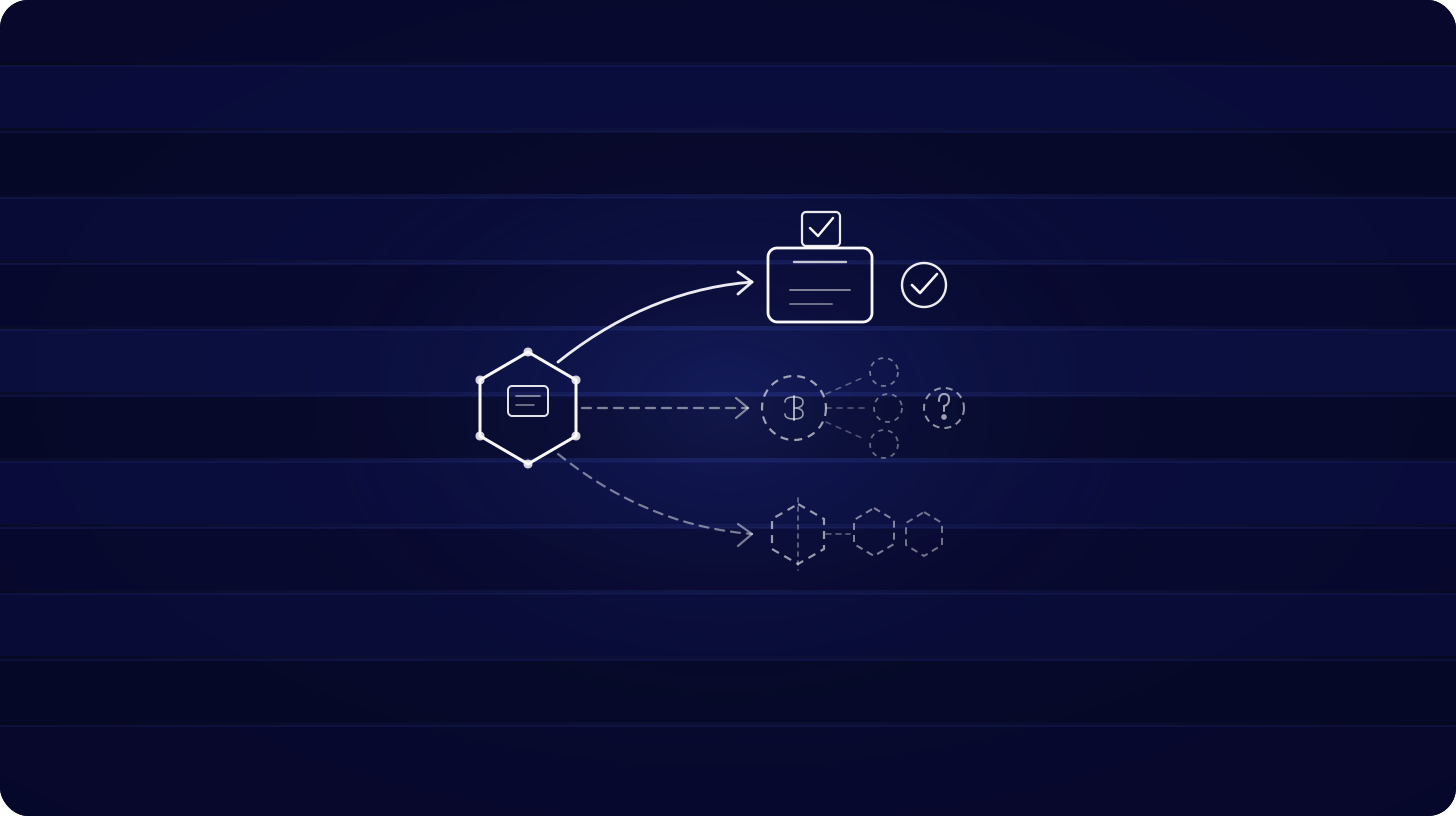
Polkadot is a layer-0 metaprotocol. Its Relay Chain provides consensus, finality, and security coordination but does not execute general-purpose smart contracts. Application-specific blockchains called parachains connect to the Relay Chain and inherit its security rather than maintaining independent validator sets.
Each parachain runs its own state transition logic, governance, and tokenomics while outsourcing block validation to a shared pool of roughly 300 active validators on the Relay Chain. Validators are randomly assigned to parachain slots and verify that each parachain's blocks follow its declared rules. A DeFi protocol or supply chain tracker does not need to recruit its own validator set. It inherits the security of the entire network.
Cross-chain communication happens through XCM, a messaging format that allows parachains to send assets and data to each other without relying on external bridges. Because both chains share the same security guarantees from the Relay Chain, these messages carry stronger trust assumptions than bridging between independent blockchains.
Where Value Flows
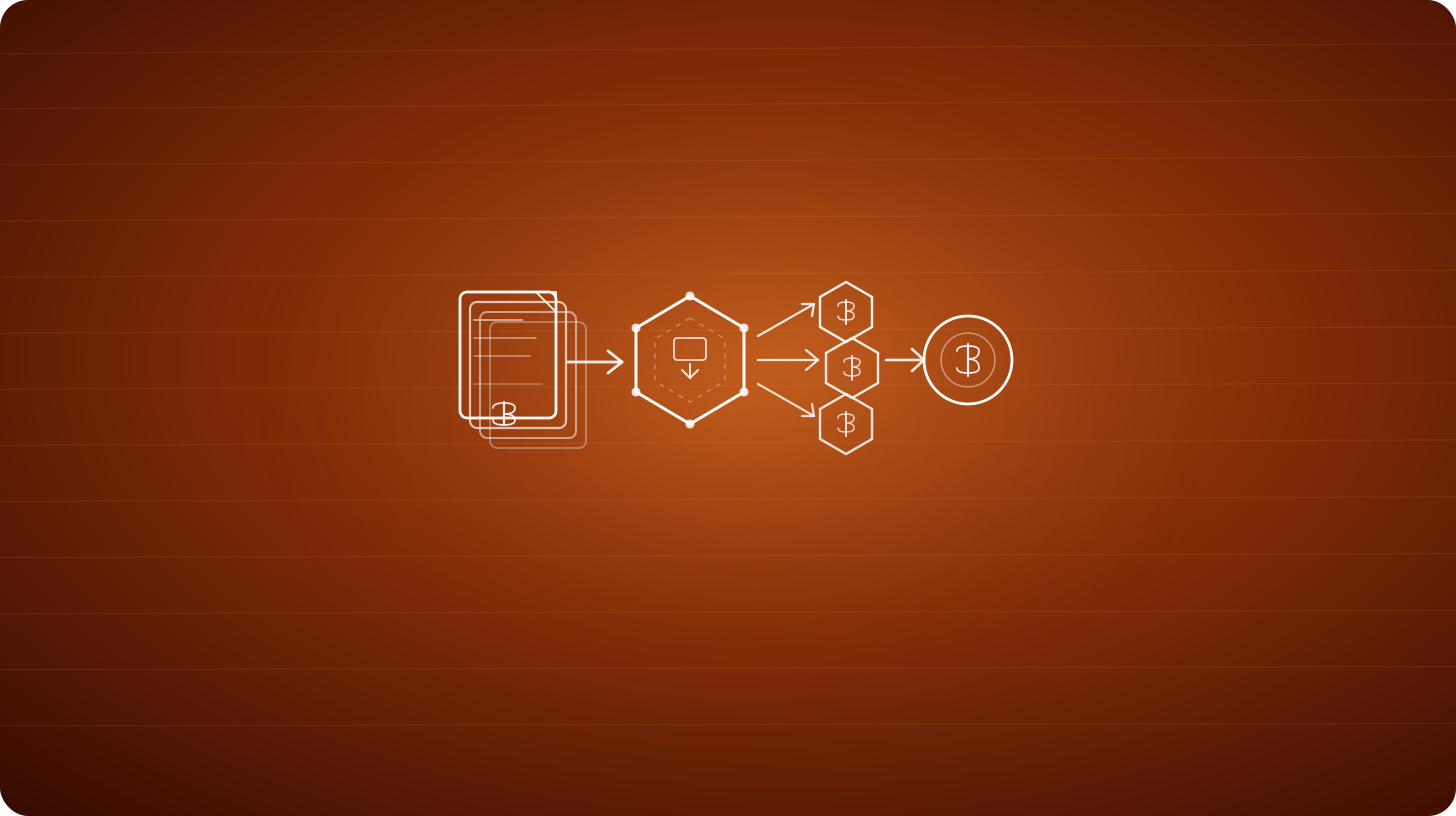
Parachains acquire access to shared security by purchasing coretime, the computational resource that the Relay Chain allocates. Under the Agile Coretime model introduced in Polkadot 2.0, coretime is priced dynamically and can be purchased on-demand or reserved in bulk. The current sales cycle shows 47 available cores with 30 renewed, at a base price of approximately 15 DOT per core. Revenue from coretime sales flows to the Polkadot treasury, which funds ecosystem development through on-chain governance proposals. Validators earn staking rewards funded by DOT inflation, currently around 10 percent annually, though the March 12 issuance change is designed to make this rate responsive to network conditions rather than fixed.
DOT holders participate in governance through OpenGov, a system where any DOT holder can propose and vote on referenda without relying on a council or committee structure. This is the mechanism through which protocol upgrades, treasury spending, and parameter changes are decided.
Adoption Metrics and Current State
The metrics that matter for evaluating Polkadot's traction are coretime utilization, cross-chain message volume, and developer activity, not token price. On coretime utilization, the network currently supports approximately 50 active parachains plus on-demand coretime users. The completion of all three Polkadot 2.0 milestones, Async Backing, Agile Coretime, and Elastic Scaling, means the infrastructure layer is now feature-complete. Elastic Scaling, delivered in late 2025, allows parachains to consume multiple cores simultaneously for higher throughput.
On the developer side, Polkadot Hub launched native smart contract support on January 27, 2026, through the Revive project, providing full Solidity compatibility alongside Polkadot's RISC-V-based PolkaVM. Early adoption has been modest: 19 contracts deployed in the first week, which Parity Technologies characterized as expected for a cautious rollout.
What Can Fail
Three failure modes deserve attention. First, economic security concentration: because all parachains depend on the same validator set, a successful attack on the Relay Chain compromises every connected chain simultaneously. This is the trade-off of shared security: it eliminates the weakest-link problem of small independent chains but creates a single high-value target. Second, governance risk: OpenGov gives any DOT holder proposal power, which means treasury spending and protocol parameters can be influenced by large token holders. Polkadot has faced criticism for spending heavily on marketing and executive compensation through treasury proposals. Third, adoption velocity: despite strong infrastructure, Polkadot's ecosystem has struggled to attract DeFi liquidity and mainstream developer attention relative to Ethereum and Solana. DOT's market cap has dropped to roughly 2.75 billion dollars, ranking 35th, down significantly from its 2021 peak.
What Is Improving
The constructive signal is that the infrastructure layer is now genuinely complete and the focus has shifted to product-level development. The 500-millisecond block time target for Polkadot Hub in 2026 would make it competitive with the fastest L1 chains. The JAM transition would replace the Relay Chain with a more flexible execution environment. And the March 12 issuance reform directly addresses the inflation concern by making token supply responsive to demand rather than fixed.
For a technical PM, the trust assumption to internalize is this: Polkadot trades independent security for pooled security, which is a better model for small-to-medium chains but concentrates systemic risk in the Relay Chain. Whether that trade-off is acceptable depends on the specific application and its tolerance for correlated failure.
For informational purposes only. Not an offer to buy or sel