
On-Chain Capital Markets Replace the IPO for Mid-Caps by 2030

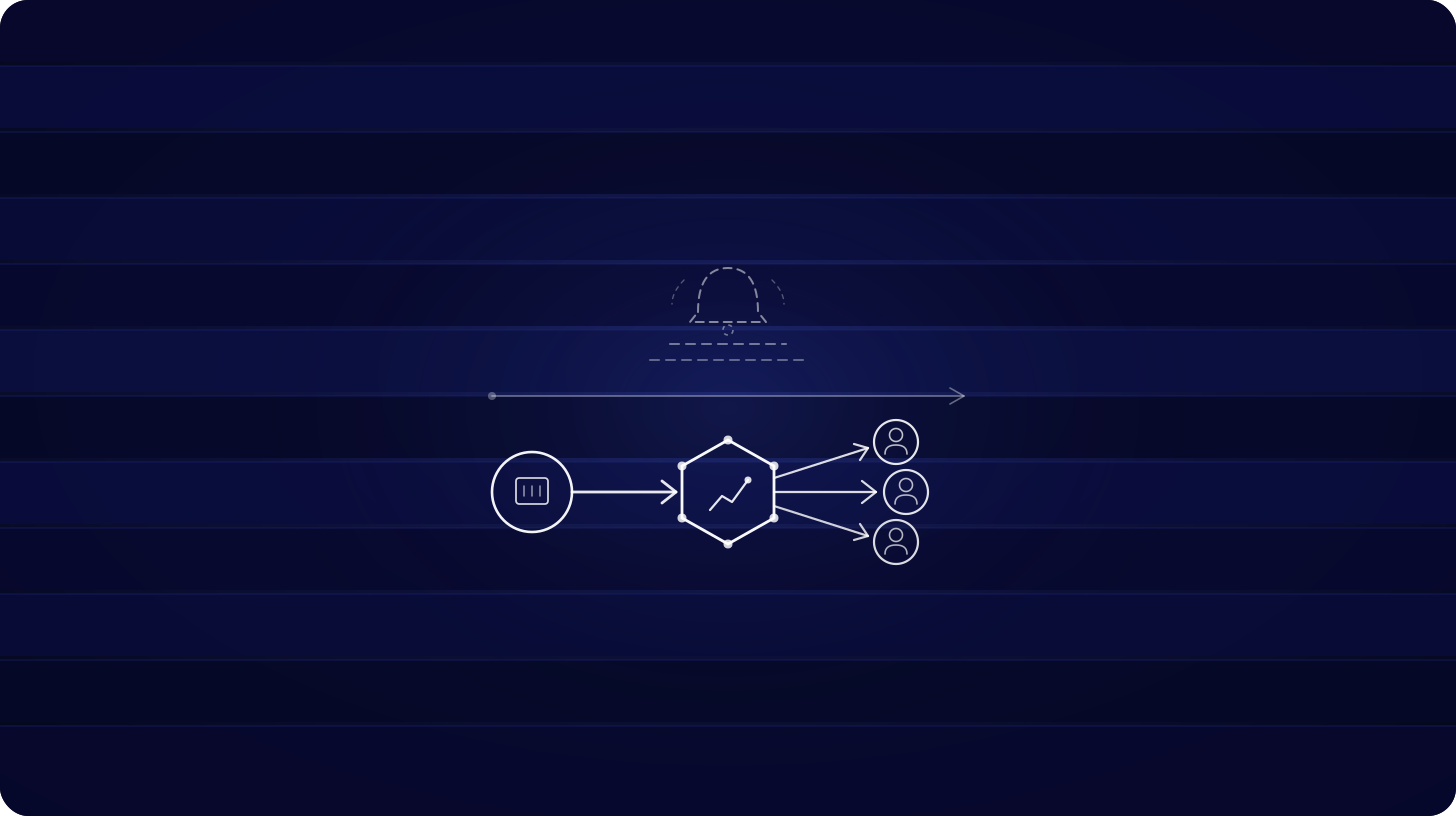

Yesterday — July 15, 2026 — Cantor Fitzgerald and Securitize announced an agreement enabling public companies to conduct IPOs and follow-on offerings using blockchain infrastructure to tokenize the securities themselves: Cantor supplying equity capital markets, trading, and distribution; Securitize supplying issuance, distribution, and servicing infrastructure, with its SEC-registered broker-dealer participating in settlement. The token represents the actual security — not a wrapper, SPV, or synthetic exposure — inside the existing public-offering framework. Two weeks earlier, Securitize tokenized its own NYSE-listed shares on listing day after completing its Cantor-sponsored SPAC combination. The addressable market is well measured: SEC data show 376 IPOs raised 70.28 billion dollars in 2025 and 99 offerings raised 22.04 billion in the first quarter of 2026. The thesis is that by 2030 the mid-cap IPO happens on-chain — and the honest version replaces the IPO's plumbing, not the IPO itself.
The Falsifiable Claim
By December 31, 2030, at least one in four US mid-cap IPOs issues shares in tokenized form at listing — issuer-sponsored tokens as the primary or dual-format ownership record — making on-chain issuance a standard path rather than a novelty. The claim is deliberately not that companies bypass the IPO: the Cantor-Securitize model runs through the same registration, underwriting, and disclosure framework as any offering. What gets replaced is the plumbing — book-entry-only records, T+1 settlement, and the servicing stack — while the regulatory event survives intact. The strong form of the thesis, companies raising public capital entirely outside the traditional offering process, is the version the skeptic correctly kills.
What Must Be True and the Constraint Today
Three conditions must convert. First, live issuances with named issuers: the partnership announced a framework, not a deal — no issuer, date, or fundraising target has been named, and adoption is explicitly the next test. Second, the regulatory rails must land: the SEC's July 2026 agenda targets three proposals — offering rules for crypto assets, broker-dealer amendments covering custody and recordkeeping, and market-structure changes for trading venues — a sequenced attempt at the issuance-to-trading pipeline, with the offering proposal's statutory authority still listed as not yet determined. Third, post-listing liquidity must exist where the tokens live: DTCC is piloting stock and Treasury tokenization with roughly 40 firms including JPMorgan and Goldman Sachs, targeting tokenized trading services by October, and Nasdaq holds approval for token-settled securities. The constraint today is the buyer side: index funds and most institutional mandates cannot custody tokenized shares, and the SEC's January 28 statement confirmed that tokenization changes how ownership is recorded, not what is issued — full securities law, and its full cost, applies.
The Enabling Primitive and a Real Example
The enabling primitive is the issuer-sponsored tokenized security under the SEC's stated framework: the issuer maintains its master security holder file on distributed ledger technology, or issues the same class in traditional and tokenized formats, with conversion between the two. Add a registered broker-dealer in settlement and a transfer agent integrated into the stack — Continental Stock Transfer selected Securitize as its preferred tokenization provider in June — and the whole apparatus fits inside existing law rather than beside it. The real example is Securitize itself: on July 2, 2026, it tokenized its own NYSE-listed stock at listing day, the first issuer-sponsored public-company tokenization executed at the moment of listing, by the firm that runs 5 billion dollars in tokenized AUM across more than 650 funds for BlackRock, Apollo, KKR, and Hamilton Lane. The demonstration is small, self-referential, and real.
What Would Falsify This and the Skeptic's Case
The skeptic's strongest argument is that the IPO's value was never settlement. A mid-cap pays the roughly 7 percent underwriting spread for distribution, price discovery, analyst coverage, index eligibility, and institutional validation — none of which a token improves. Tokenizing the share saves basis points on servicing while the expensive parts remain untouched, so "on-chain capital markets" is a plumbing upgrade marketed as a revolution. Second, the demand side cannot hold it: a mid-cap choosing tokenized-primary issuance shrinks its buyer universe precisely when it needs breadth, so tokenization becomes a dual-format checkbox rather than a replacement. Third, the trend actually replacing the mid-cap IPO is staying private — tokenized secondaries and late-stage private markets cannibalize the listing decision from the other direction, meaning on-chain IPOs may win a shrinking prize. Fourth, the count of live tokenized primary issuances by outside issuers today is zero.
Three developments would invalidate the thesis: no named mid-cap completing a tokenized primary issuance through this or an equivalent framework by end-2027; the SEC's offering, custody, and market-structure rules stalling or landing restrictively, leaving no compliant at-scale path; or DTCC and Nasdaq tokenized trading failing to launch or attract volume, orphaning tokenized shares' secondary liquidity. The monthly trackables: the count of tokenized primary issuances with named issuers, the share of IPO proceeds issued in tokenized or dual format against the 70 billion dollar annual baseline, the DTCC October milestone, and the SEC rulemaking calendar. The constructive signal is the sequencing: a top-tier underwriter, a registered tokenization broker-dealer, the incumbent clearinghouse, and the regulator all built or proposed their piece of the same pipeline within six months — the plumbing thesis no longer requires anyone to bypass the system, only for the system to finish upgrading itself.
For informational purposes only. Not an offer to buy or sell any security. Available only to accredited investors who meet regulatory requirements.