Autonomous Treasury Management: Rules-Based Capital Allocation



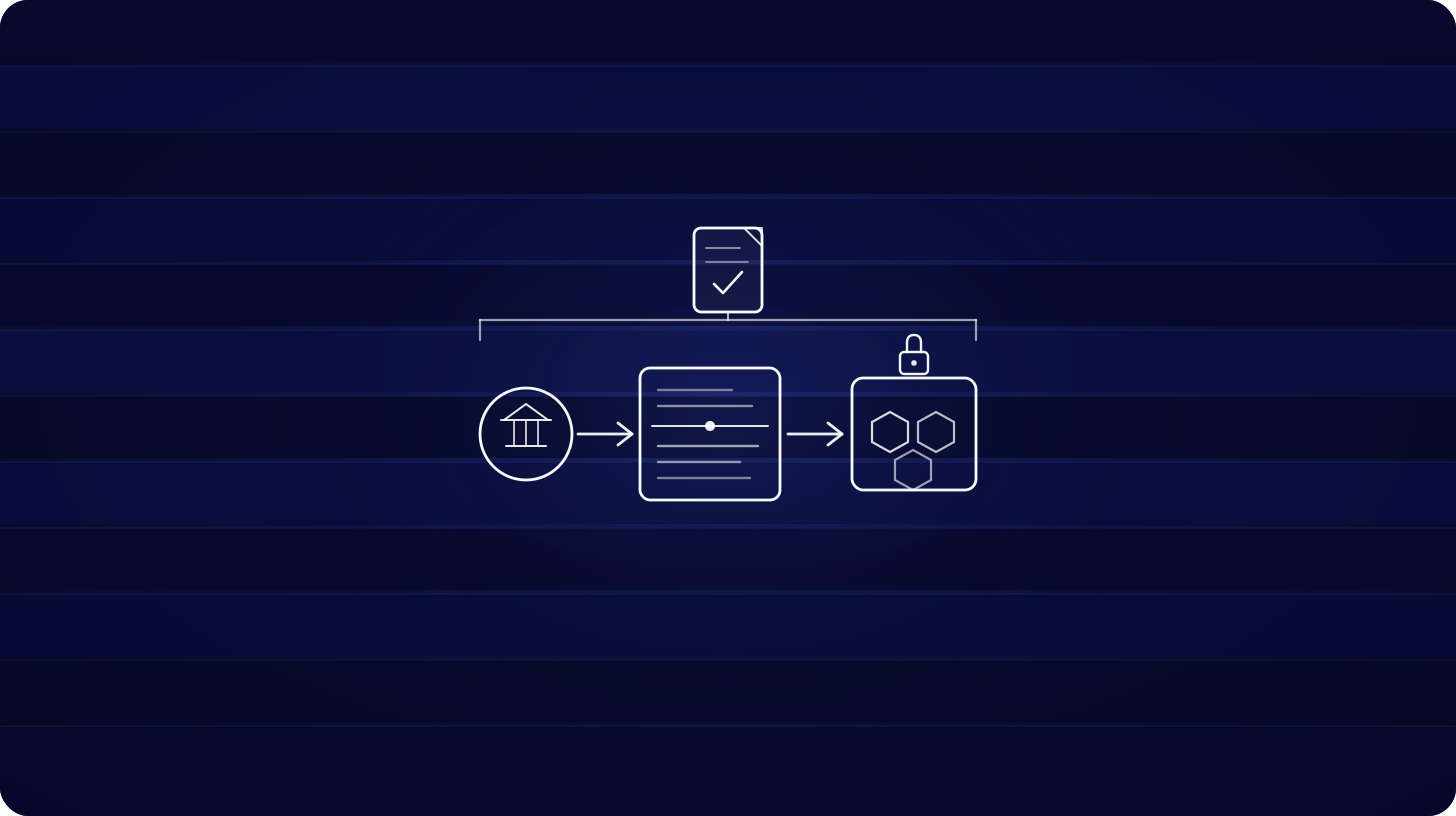
On March 17, GSR acquired advisory firms Autonomous and Architech to build an integrated capital markets and treasury platform for crypto foundations. The rationale was direct: crypto foundations begin life managing substantial digital asset treasuries without the financial infrastructure to oversee them. Most function as passive holders of their own tokens, a structure GSR's CEO called fragmented. For allocators evaluating the thesis that AI agents will eventually manage institutional capital on-chain, this acquisition illustrates the prerequisite that rarely gets discussed: before agents can allocate capital autonomously, the treasury infrastructure must enforce rules that constrain what any agent, human or artificial, is allowed to do.
What Must Be True
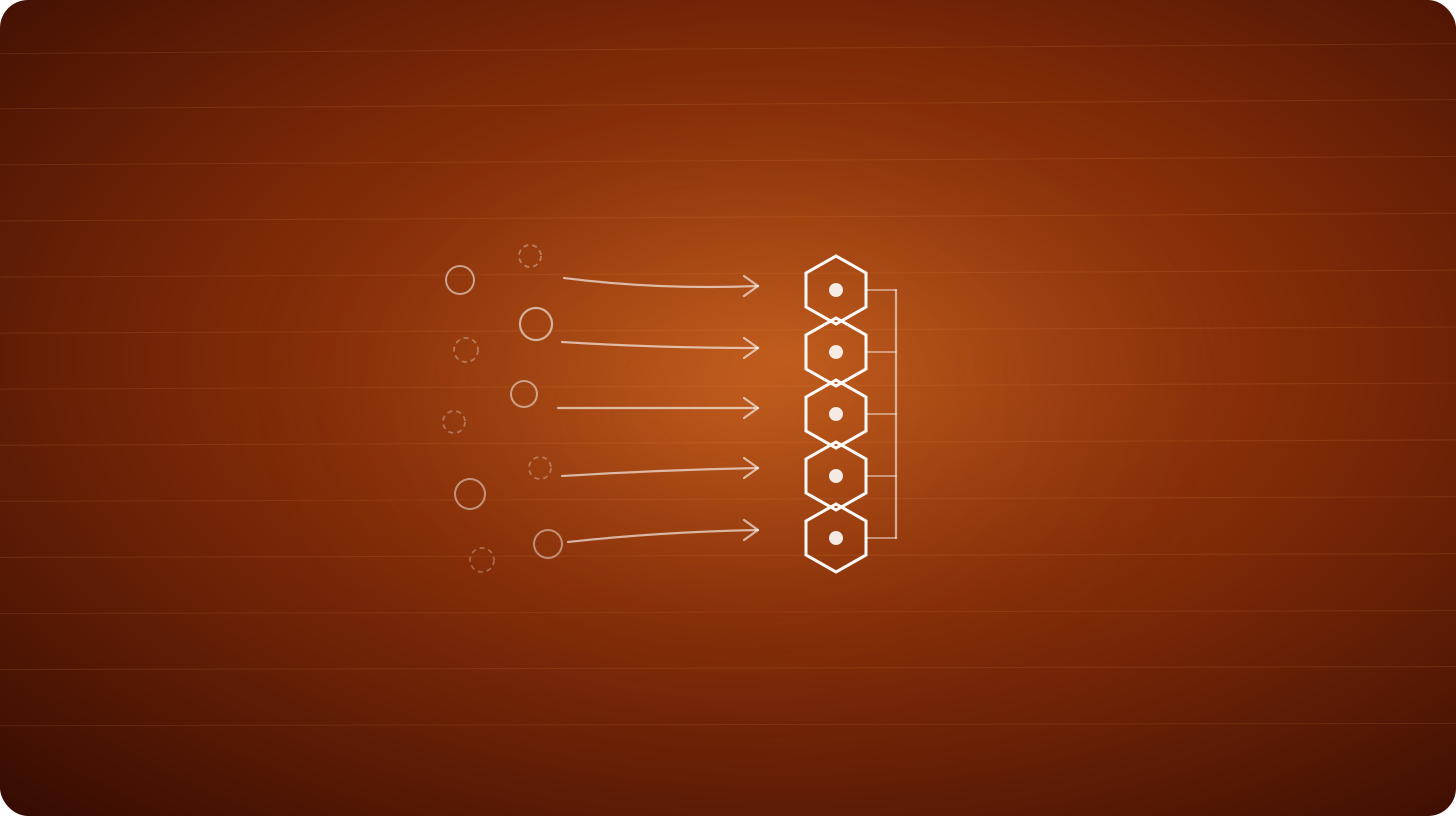
The thesis that autonomous systems will manage on-chain treasuries depends on three conditions. First, the treasury must hold diversified assets in stable units of account, not just the protocol's native token. A treasury that is 90 percent native token has concentration risk no allocation algorithm can manage away. Modern DAO treasuries are evolving toward stablecoins, ETH, and tokenized Treasuries alongside their native token, creating a multi-asset base an automated system can optimize.
Second, allocation rules must be encoded in smart contracts with governance-approved parameters: maximum position sizes, minimum stablecoin reserves for operational runway, approved counterparties, and rebalancing triggers. These constraints function like an investment policy statement for a pension fund. The agent operates within the box. It cannot redraw the box without a governance vote.
Third, execution must be verifiable on-chain. Every allocation, rebalance, and withdrawal produces an immutable audit trail. This is the structural advantage over traditional treasury management, where a CFO's decisions are reconstructed from internal records during quarterly reporting. On-chain treasury actions are auditable in real time by any token holder.
The Constraint Today
The current constraint is that most treasury management remains manual or semi-automated at best. DAO multisig wallets typically require 3-of-5 or 4-of-7 signer approval for any outflow, a human bottleneck that prevents continuous optimization but provides a critical safety check. The gap between what is technically possible, continuous AI-driven rebalancing across yield opportunities, and what governance structures currently permit is wide.
AI-powered treasury tools are emerging. SingularityDAO's DynaSets offer shared on-chain vaults that rebalance across DeFi protocols. Autonolas provides modular AI agents customizable for specific treasury goals. In March 2026, Alchemy launched a flow where an AI agent uses its own wallet as identity and payment source, automatically topping up via USDC on Base using Coinbase's x402 protocol without human input. These are real systems, not mockups. But they operate on small scale with narrow mandates, far from managing institutional-grade capital.
The Enabling Primitive
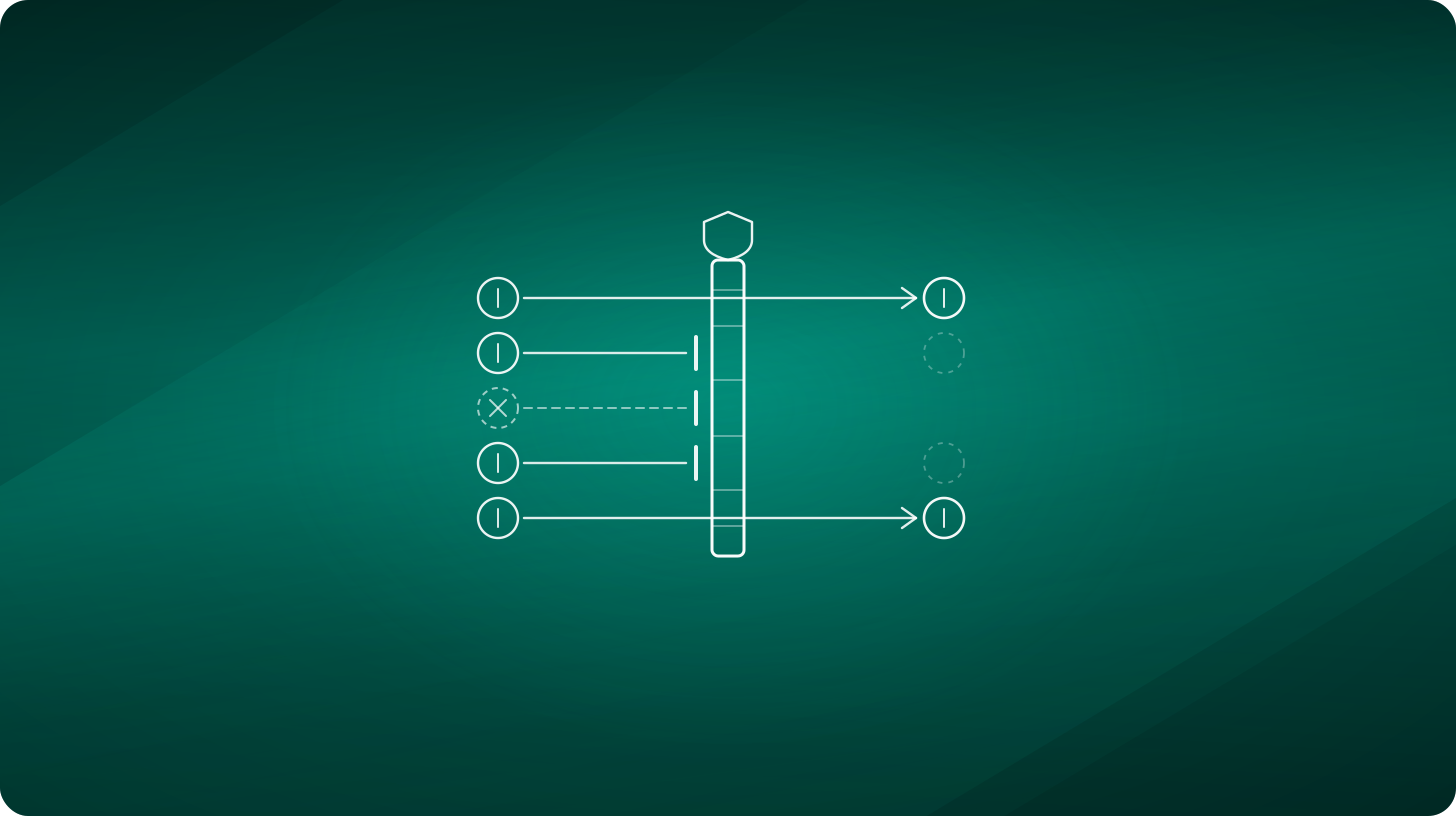
The enabling primitive is the programmable vault: a smart contract that holds assets, enforces allocation constraints, and exposes a defined set of actions that an authorized agent can execute. The vault's rules are set by governance. The agent selects among permitted actions based on market conditions. If the agent attempts an action outside the permitted set, the transaction reverts.
This architecture separates strategy from execution and both from governance. Token holders set the policy. The agent implements the policy. The smart contract enforces the policy. No single actor, including the agent, can unilaterally change the rules. This is the on-chain equivalent of an investment mandate with hard compliance limits.
What Would Falsify This
Two developments would undermine this thesis within 12 months. First, if an AI-managed treasury suffers a significant loss due to the agent exceeding its mandate or exploiting a constraint logic gap, institutional confidence would collapse. The liability question is unresolved: who is responsible when an AI misallocates funds — the developer, the DAO voters, or the protocol operators — has no established legal framework. Second, if regulators classify AI-managed vaults as investment vehicles requiring registered adviser oversight, compliance costs would make the model unviable for most protocols.
What to Watch Monthly
Three metrics track whether autonomous treasury management is progressing from experiment to infrastructure. First, the total value managed by on-chain vaults with programmatic allocation rules, which indicates whether real capital is being entrusted to rule-bound systems rather than discretionary multisigs. Second, the number of DAO governance proposals that define explicit investment policy parameters, such as maximum allocation percentages and approved asset lists, for automated execution. Third, treasury diversification ratios: the percentage of DAO treasuries holding less than 50 percent in their native token, which indicates whether the asset base is structurally suitable for automated management.
The failure that breaks first is not the AI making a bad trade. It is the constraint logic having a gap that permits an action governance never intended. The early detection signal is a treasury transaction that falls within the smart contract's technical rules but violates the governance mandate's spirit. This means autonomous treasury management is more accurately described as rule-constrained delegation with continuous audit rather than true autonomy.
For informational purposes only. Not an offer to buy or sell any security. Available only to accredited investors who meet regulatory requirements.